
Parkia
Parkia R. Br.
Parkia is a tropical perennial tree, most commonly propagated via seeds for agricultural purposes. Sowing is typically carried out in specialized nurseries using loose, well-draining substrates to ensure optimal moisture regulation for germinating seedlings.
What the section contains

Parkia
Pre-sowing treatment, including scarification, is essential to increase germination rates, as the dense seed coat often hinders water absorption. Seeds are sown at a depth of 2-3 centimeters, maintaining consistently high temperatures and soil humidity.
Transplanting young saplings to their permanent location is ideally performed at the onset of the rainy season, allowing the root system to establish itself before the arrival of the dry period. A spacing of at least 8-10 meters between rows is required due to the tree's expansive canopy.
In commercial orchards, grafting of superior varieties onto compatible rootstocks is practiced to maintain clonal characteristics and enhance resilience against local pathogens. Diligent maintenance of the root zone during the first few years is critical for seedling survival.
Nitrogen-based fertilizers are used during early growth stages to accelerate development, though as the tree matures, it begins to fix atmospheric nitrogen efficiently through symbiotic relationships with nodule-forming bacteria.
Belonging to the Fabaceae family, Parkia requires specific tropical conditions to flourish. The crop thrives in regions with high ambient humidity and average annual temperatures ranging between 24 and 30 degrees Celsius.
Soil requirements involve deep, fertile, and well-drained soils rich in organic matter. The tree is highly sensitive to waterlogging, necessitating the construction of raised beds or drainage systems in heavy clay environments.
Full sun exposure is paramount, as Parkia is a heliophilic plant that tolerates shading poorly once mature. Intense tropical sunlight is a primary driver of active photosynthesis and rapid biomass accumulation.
In regions with a distinct dry season, young trees require supplemental irrigation. Mature specimens possess extensive root systems that enable them to withstand brief drought periods, although overall productivity may decline if water stress is prolonged.
Optimal soil pH for successful Parkia cultivation ranges from slightly acidic to neutral (5.5–7.0). In highly acidic soils, liming may be necessary to improve nutrient availability and uptake efficiency.
The yield of Parkia is contingent upon tree maturity, climatic conditions, and the intensity of horticultural management. First commercial harvests typically begin 5 to 7 years after initial planting.
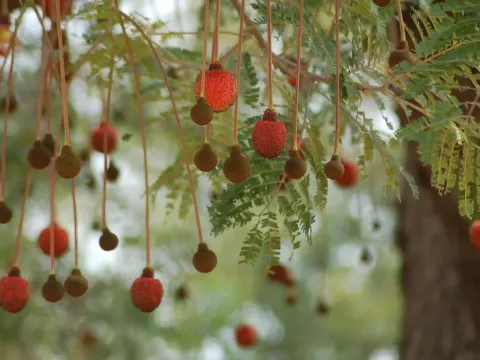
The fruit of the Parkia tree consists of long, pendulous pods clustered together, which facilitates manual harvesting. A single mature tree can produce several hundred kilograms of pods annually, which are highly valued for their nutritional density.
To optimize yields, regular sanitary and structural pruning is recommended, which involves removing dead wood and improving light penetration into the inner canopy. Supplemental micro-nutrient fertilization helps in developing more robust, high-quality seeds.
The seeds, extracted from the pods, are rich in protein and fats, making them a significant agricultural product in tropical agroforestry systems. The consistent yield makes this crop a viable economic option for smallholders.
Harvesting is performed manually or with long poles, as the pods can grow quite long and are often positioned high in the tree. It is crucial to harvest the pods at the stage of technical maturity before they become fully desiccated on the branch.
The primary pests affecting Parkia are specific species of weevils and fruit borers that damage both young ovaries and maturing seeds within the pods. Integrated pest management, including biological controls and targeted insecticides, is used for mitigation.
Fungal infections, such as anthracnose, may target foliage and young shoots during prolonged rainy seasons, leading to blossom and pod drop. Ensuring adequate airflow through the canopy is the primary preventive measure against fungal spread.
Root rots pose a significant risk when Parkia is planted in areas with poor drainage. The proliferation of soil-borne pathogens in the root zone can cause gradual decline and eventual mortality of the trees.
Common control measures include monitoring tree density and inspecting the bark and leaves for early signs of infection. Utilizing clones resistant to local diseases significantly reduces the reliance on chemical inputs.
Infestations of ants and termites can also be detrimental, as they damage succulent tissues or act as vectors for secondary fungal infections. Regular clearing of the area around the trunk from leaf litter reduces the overall infection pressure.
The harvest season for Parkia is strictly linked to the biological cycle of pod maturation. The pods transition from green to a dark brown or blackish hue, providing a clear visual signal that the fruit is ready to be picked.
Harvesting must be timely to prevent damage from pests or the premature splitting of pods, which can cause seed loss. In large-scale plantations, the harvest period may span several weeks due to asynchronous ripening of fruits across the tree.
The harvested pods undergo primary processing, which involves removing the seeds and cleaning them of any remaining pericarp. In certain cultures, short-term fermentation of the seeds is practiced to enhance flavor profiles and digestibility.
Following cleaning, the seeds are dried in a shaded, well-ventilated area until a safe moisture content is reached, ensuring stability for long-term storage without the risk of mold growth.
Breathable packaging materials are used for transport and storage to ensure continuous air circulation. Properly dried Parkia seeds can be preserved for extended periods while maintaining their nutritional and organoleptic properties.