
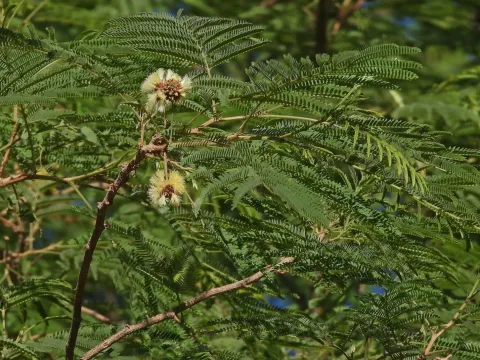
Parasenegalia
Parasenegalia
Parasenegalia is a genus of flowering plants belonging to the legume family, Fabaceae. Formerly categorized under the Acacia genus, these species are notable for their woody habit and ecological importance in tropical and subtropical regions.
What the section contains

Parasenegalia
The cultivation of Parasenegalia requires well-drained soil types, specifically favoring sandy loams that prevent root saturation. Adequate sunlight exposure is critical for biomass production and the health of the plant throughout its growing cycle.
Climate requirements involve sustained warm temperatures, as the plant is sensitive to severe frost. It demonstrates significant resilience to periodic drought, which allows it to thrive in regions where rainfall patterns may be erratic.
From an agronomical perspective, Parasenegalia contributes to soil health through biological nitrogen fixation. This attribute makes it a valuable species for reforestation projects and sustainable agroforestry systems where soil fertility improvement is a priority.
The wood harvested from these plants is recognized for its utility in local construction and as a sustainable source of biomass, providing economic value alongside its ecological contributions.
Major threats include various fungal root pathogens that proliferate in poorly drained soils, often leading to structural decay and poor growth outcomes.
Pest management focuses on controlling leaf-eating insects and scale insects, which can significantly damage young foliage and weaken the overall plant vigor during the dry season.
Farmers are advised to implement strict sanitation practices, including the removal of infected plant debris to mitigate the risk of disease transmission within the plantation.
Integrated pest management strategies are recommended, emphasizing the use of biological controls to maintain ecological balance while protecting the crop from major outbreaks.
Monitoring the integrity of the stem and branches is essential, as secondary infections often enter through cracks or wounds caused by external mechanical stress.