
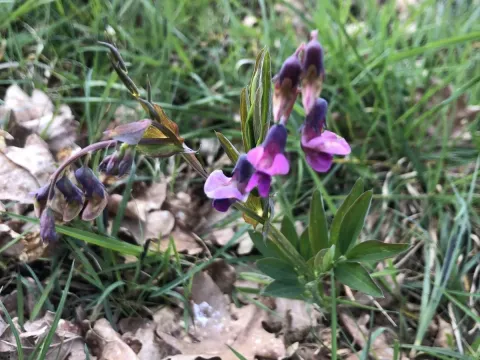
Bitter vetch
Lathyrus linifolius
Bitter vetch, known botanically as Lathyrus linifolius, is a perennial legume species. It naturally inhabits forest edges and meadows, characterized by its tuberous rootstock which helps it survive in various conditions.
What the section contains
Bitter vetch
The crop prefers well-drained, fertile soil with a neutral to slightly acidic pH. It requires consistent moisture throughout the growing season but cannot tolerate waterlogging or stagnant soil conditions.
Climatically, Lathyrus linifolius thrives in temperate zones, demonstrating significant frost resistance during the winter dormant phase, provided the soil remains appropriately drained.
Light intensity is a critical factor; while it can tolerate partial shade, full exposure to moderate sunlight generally leads to more robust development of the plant and higher biomass production.
Soil nutrient management, particularly phosphorus and potassium levels, plays a vital role in root development, which subsequently impacts the plant's ability to store energy for subsequent growth cycles.
Fungal diseases are a primary concern, with powdery mildew often appearing in environments characterized by poor air circulation and high humidity levels during the summer months.
Insects such as pea weevils and other root-feeding beetles pose a threat to the plant's structural integrity, specifically damaging the nitrogen-fixing nodules on the roots.
Aphid infestations are frequently observed on young tender shoots, necessitating early detection to prevent stunting of growth and potential secondary viral infections transmitted by these pests.
Integrated pest management strategies, including the use of resistant varieties and crop rotation, are essential to maintain field hygiene and reduce the prevalence of these biological threats.
Chemical intervention should be strictly limited to periods when thresholds are exceeded, emphasizing the use of selective products to protect beneficial insects within the local ecosystem.