
Bitter albizia
Albizia amara
Description
Growing requirements
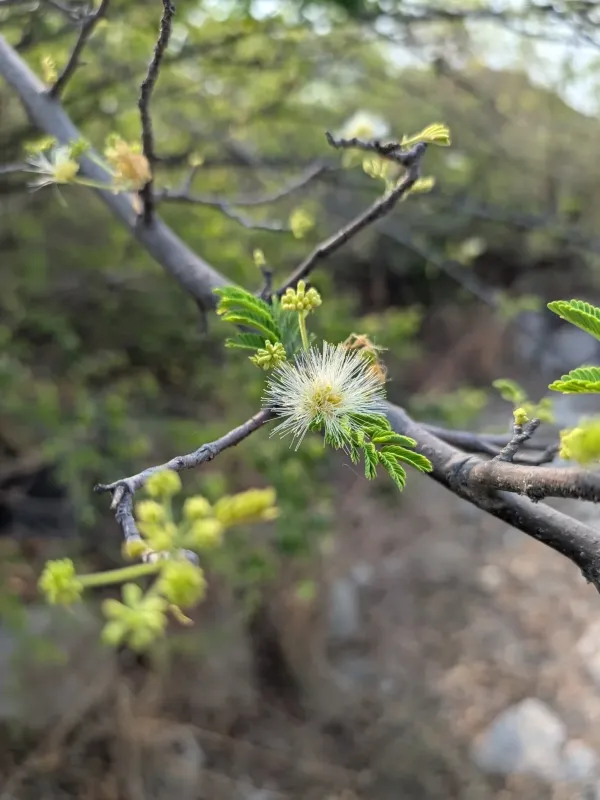
Bitter albizia (Albizia amara) is a deciduous tree belonging to the Fabaceae (legume) family. It is known for its elegant feathery leaves and an umbrella-shaped canopy, providing significant shade in its native tropical habitats.
The tree is naturally distributed across India and parts of Africa. It is highly adapted to semi-arid regions, thriving in environments where other tree species struggle due to seasonal water scarcity and intense solar radiation.
It prefers well-drained loamy or rocky soil conditions. While it is tolerant of poor soil fertility, the growth rate is significantly higher in deep, nutrient-rich soils that allow for rapid development of its taproot system.
The crop requires full sun exposure to flourish. It is sensitive to frost and extreme cold, which limits its commercial cultivation to tropical and subtropical climatic zones where temperatures remain stable throughout the year.
Standard agronomic practices include clearing competing vegetation around young saplings during the establishment phase. Pruning may be required if the tree is being managed for high-quality timber production to ensure straight bole development.
Harvesting
The wood of Albizia amara is highly valued for its durability, hardness, and dark attractive grain. It is commonly used in high-end carpentry, furniture manufacturing, and structural construction due to its resistance to decay.
In agroforestry systems, the species serves as a valuable nitrogen-fixing agent. By improving soil fertility, it benefits intercropped plants and contributes to the overall sustainability of the agricultural ecosystem.
The foliage provides a source of fodder for livestock, especially during the dry season when forage is scarce. This makes the species an essential asset for smallholder pastoralist communities in arid areas.
Traditional medicinal applications of the bark and seeds are documented in various local cultures. These parts contain phytochemicals that are harvested for their therapeutic and pharmacological properties.
The tree also functions as a vital component for erosion control and land rehabilitation projects. Its deep roots stabilize soil on slopes, preventing topsoil runoff during intensive seasonal rainfall.