
Bituminaria
Bituminaria
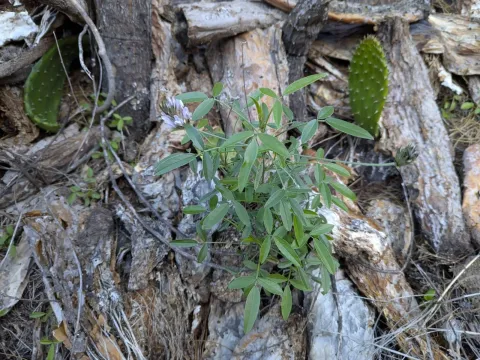
Bituminaria (most notably Bituminaria bituminosa) is a perennial legume recognized for its exceptional resilience. Native to the Mediterranean basin, it is valued for its ability to thrive in challenging environments where other forage crops fail.
What the section contains
Bituminaria
Sowing should ideally occur in the spring when soil temperatures stabilize between 10 and 12 degrees Celsius. Due to the hard seed coat, scarification is highly recommended to improve germination rates significantly.
Seeds should be planted at a depth of 2 to 3 centimeters. For forage production, row spacing is generally kept at 45–60 cm to allow for sufficient airflow and to reduce competition between individual plants as they establish their root systems.
Once established, the crop develops a deep taproot that allows it to access water deep within the soil profile. This adaptation makes it an incredibly reliable crop in semi-arid regions or areas prone to frequent summer droughts.
Early maintenance is crucial, as the initial growth phase can be slow. Ensuring the seedbed is free from aggressive annual weeds during the first few months will yield much stronger and more productive stands in subsequent years.
Bituminaria is highly drought-tolerant and thrives in full sun. It performs best in well-drained, calcareous soils with a neutral to slightly alkaline pH, making it an excellent candidate for degraded land restoration.
The plant is extremely sensitive to waterlogging. Planting in poorly drained fields will almost certainly result in root decay and the death of the stand, so site selection focusing on elevation and slope is critical.
As a nitrogen-fixing legume, Bituminaria does not typically require nitrogen-rich fertilizers. Instead, applying phosphorus and potassium can help strengthen the root architecture and improve overall biomass production.
The crop is adapted to Mediterranean climates but can survive minor frost. However, prolonged exposure to severe freezing temperatures can damage the aerial biomass, potentially delaying spring growth and reducing total annual yield.
In its natural habitat, it is often found on rocky, thin soils. This extreme adaptability means it can be utilized in agricultural systems where soil quality is insufficient for more demanding forage crops like alfalfa or clover.
The primary agricultural use of Bituminaria is as a high-protein fodder source. It provides consistent yields of nutritious green biomass, making it a valuable resource for sheep, goats, and cattle during the off-season.
Depending on local rainfall and management, the crop typically supports 2 to 4 cuts per season. Proper fertilization and moisture management after each cut can significantly boost regrowth speed and density.
Beyond its value as hay or green fodder, it acts as an excellent soil stabilizer. Its deep roots help prevent erosion on hillsides, while the nitrogen-fixation process leaves the soil richer for subsequent crops in a rotation.
The plant's chemical composition, particularly its secondary metabolites, gives it a unique scent and flavor. While some livestock may require an initial adaptation period, it is generally considered a highly palatable and nutritious forage.
Research into the selection of low-bitumen varieties is ongoing. Improving the palatability of the leaves while maintaining the plant's natural hardiness is a key goal for agricultural scientists working with this species.
The most significant threats to Bituminaria are fungal pathogens, specifically those causing root rot in wet conditions. Keeping the soil well-aerated is the primary defense strategy against these harmful organisms.
Insects like aphids and certain species of weevils can cause damage to tender foliage. Regular monitoring of the field, especially during the active growth phases in spring, is essential for early detection and mitigation.
Inappropriate cutting height is a major cultural threat. Cutting too close to the ground can damage the crown of the plant, hindering regrowth and making the crop more susceptible to weed invasion and long-term exhaustion.
Competition from aggressive grasses is primarily a concern during the seedling stage. Once the stand matures, the density of the canopy usually prevents weed encroachment, making herbicides largely unnecessary.
To ensure the longevity of the stand, it is important to implement a crop rotation schedule that avoids planting Bituminaria in the same field consecutively with other legumes, which helps break the cycle of host-specific diseases.
Harvesting for green fodder is best performed at the budding stage. This ensures the optimal balance between nutrient content, specifically protein levels, and biomass volume before the stems become too fibrous and woody.
For hay production, cutting should take place at the onset of flowering. The cut material must be dried quickly in sunny conditions to prevent the loss of leaves, which are the most nutrient-dense part of the plant.
Seed harvesting should be timed carefully. Once the seed pods turn dark brown or black, they are ready. Using mechanical harvesters requires precise settings to avoid pod shattering, which is a common cause of harvest loss.
Leaving a stubble height of at least 8–10 centimeters after harvesting is vital for plant recovery. This allows the plant to access stored energy in its roots to rapidly produce new foliage for the next cutting cycle.
Proper storage is essential to maintain the quality of the harvested biomass. Using well-ventilated barns or storage facilities prevents mold development, ensuring the forage remains safe and nutritious for livestock throughout the winter months.