
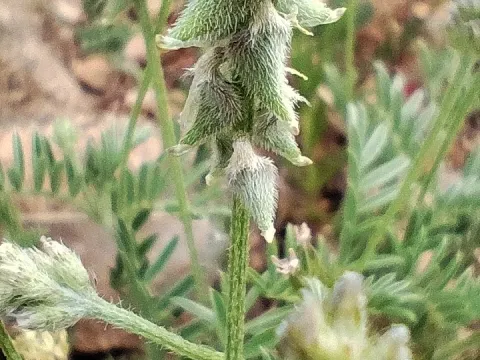
Biserrula
Biserrula
Biserrula (Biserrula pelecinus) is an annual legume best sown in late winter or early spring to ensure the plants establish before the onset of summer heat.
What the section contains

Biserrula
Seedbed preparation is crucial; the soil should be fine and weed-free, as young seedlings can be slow to grow and easily smothered by aggressive weeds.
Seeds should be sown at a shallow depth of 1–2 centimeters, ensuring they have sufficient soil contact to promote even germination across the field.
Inoculation with specific rhizobia bacteria is essential for Biserrula to fix nitrogen effectively and thrive on nutrient-poor soils where other legumes fail.
Seeding rates should be adjusted based on the intended use, with lower densities often preferred for permanent pasture establishment to allow for natural regeneration.
As a member of the Fabaceae family, Biserrula is highly valued for its ability to grow in acidic, sandy, and infertile soils where other forage crops struggle.
The plant is exceptionally drought-tolerant due to a deep taproot system that allows it to access water reserves in deeper soil layers during dry spells.
Well-drained soils are preferred, as the plant is sensitive to waterlogging, which can encourage fungal diseases and inhibit overall root health.
Biserrula thrives in Mediterranean-type climates, requiring plenty of sunlight to maximize its vegetative growth and promote abundant flowering.
With an ideal soil pH range of 5.0 to 7.5, this crop is a versatile tool for agricultural land development and soil improvement programs.
Biserrula provides high-quality forage with significant protein content, making it an excellent component for livestock diet improvement in grazing systems.
The plant has a strong capacity for regrowth after grazing, provided that it is not subjected to overgrazing during its peak growing period.
In addition to its grazing value, Biserrula acts as a beneficial cover crop, improving soil nitrogen status and structure for subsequent rotation crops.
Economic returns are realized through reduced need for commercial fertilizers and improved animal health due to high-quality feed intake throughout the season.
The species is also a prolific seed producer, allowing for self-regeneration in pastures if allowed to set seed at the end of the growing cycle.
The primary threats include root and crown rot diseases, which are often exacerbated by high humidity and prolonged soil water saturation during the spring.
Pests such as aphids and certain weevil species may attack the foliage, necessitating regular monitoring to determine if intervention is economically justified.
Competition from weeds during the establishment phase is a major challenge that can significantly reduce the biomass yield of the crop.
Implementing a proper crop rotation and using certified, disease-free seed are fundamental strategies for managing these agricultural risks effectively.
Farmers should prioritize integrated pest management (IPM) practices to maintain a healthy ecosystem while protecting the productivity of their Biserrula stands.
For hay production, the crop should be harvested during the early flowering to early pod-fill stage to optimize the balance between biomass and nutritional quality.
Careful handling during hay-making is required to prevent leaf shatter, which is where the highest concentration of protein and minerals is located.
When harvesting for seed, the pods should be allowed to fully mature until they turn a golden color to ensure maximum seed viability and yield.
Specialized harvesting equipment should be calibrated correctly to handle the small seeds and minimize loss during the threshing and cleaning processes.
Timely harvest ensures a high-quality product while also preventing the risk of seed shattering, which can occur if the crop is left in the field too long.