
Bladder clover
Trifolium bullatum
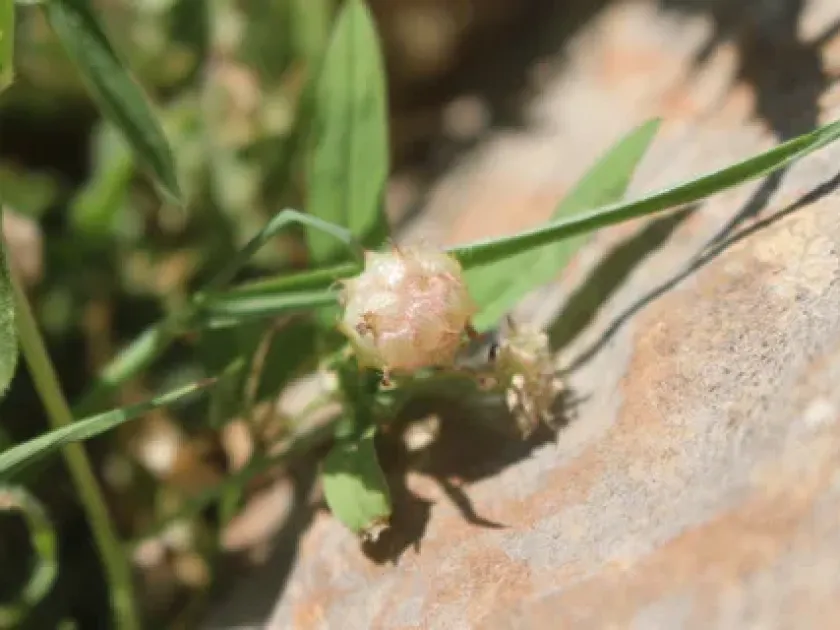
Description
Sowing dates
Bladder clover (Trifolium bullatum) is a member of the Fabaceae family, often cultivated as an annual forage crop. The optimal sowing time is early spring when soil temperatures reach 8–10 degrees Celsius.
Depending on the climatic zone, seeding typically occurs in April or May. It is essential to ensure the soil has sufficient moisture at the time of planting to encourage rapid and uniform germination of the small seeds.
A standard drill-seeding method is recommended, with row spacing of approximately 15 to 20 centimeters. The seeding depth should be shallow, generally between 1 and 2 centimeters, to prevent seeds from being buried too deep.
Post-sowing rolling is a crucial step in the agronomic process. This practice ensures that the seeds make firm contact with the soil, which significantly improves the availability of moisture for the developing sprouts.
The seeding rate typically ranges from 10 to 12 kilograms per hectare, depending on seed quality and soil fertility levels. Proper calibration of seeding equipment is necessary to maintain an even distribution.
Growing requirements
This crop thrives in fertile, well-drained loamy soils. It prefers a neutral to slightly acidic pH, which supports the symbiotic activity of nitrogen-fixing bacteria residing in the plant's root nodules.
Sunlight exposure is a critical factor for the bladder clover's development. It does not tolerate heavy shading from competing weeds, making early-stage weed control a vital part of crop management.
While the plant shows moderate drought resistance once established, it requires consistent moisture during its vegetative growth phase to produce high-quality green biomass or hay.
Nutrient management focuses on phosphorus and potassium fertilization. These elements promote root development and improve the plant's overall resilience against environmental stress factors.
Optimal temperatures for steady growth are between 18 and 25 degrees Celsius. Extreme variations in temperature can lead to stunted growth or delayed development of the flower heads.
Main diseases and pests
The primary threats to bladder clover health include fungal infections such as powdery mildew and various leaf spot pathogens, which typically flourish in high-humidity conditions.
Insect pests, including the clover weevil and various species of aphids, can cause significant damage to foliage and developing buds, potentially reducing total forage quality.
Crop rotation remains the most effective preventive measure against both soil-borne diseases and specialized pest populations. Avoiding legume monocultures in the same plot for multiple years is highly recommended.
Integrated Pest Management (IPM) strategies, including the monitoring of pest thresholds, are encouraged. Chemical controls should be utilized judiciously and only when natural biological controls fail to contain an infestation.
- Regular field scouting for early signs of disease
- Timely harvest to prevent the spread of fungal spores
- Cleaning machinery to avoid contamination between fields