
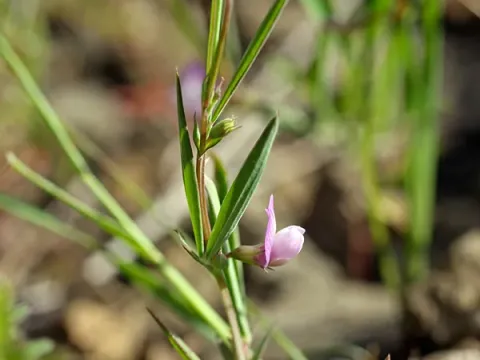
Inconspicuous vetchling
Lathyrus inconspicuus
The inconspicuous vetchling (Lathyrus inconspicuus) is an annual legume species belonging to the Fabaceae family. It is known for its resilience and adaptability to Mediterranean-type climates, making it a study subject for sustainable agriculture.
What the section contains
Inconspicuous vetchling
Botanically, it presents as a slender herb with small, often pale-colored flowers. It utilizes tendrils to climb or sprawl, allowing it to compete effectively in its natural grassland habitat.
The crop thrives in well-drained soils and demonstrates significant drought tolerance. Its development cycle is optimized for climates where spring moisture is the primary driver of biomass production before the onset of summer heat.
Regarding cultivation, the inconspicuous vetchling requires minimal inputs, as it effectively utilizes symbiotic nitrogen fixation. This trait makes it an excellent choice for green manure or as part of a soil-improving ley system.
The species is highly valued for its potential to provide forage in arid environments where other legumes might fail. Its integration into crop rotation systems helps stabilize soil structure and improves yields of subsequent crops.
Fungal pathogens such as mildew and rust are common threats to the inconspicuous vetchling, especially if the planting density is too high, leading to poor air circulation.
Seed-feeding insects are a particular concern during the reproductive phase, as they can significantly reduce the potential yield and viability of the harvestable crop.
Root rot diseases are prevalent in waterlogged or poorly drained fields, reinforcing the necessity for proper site selection and soil management to prevent plant loss.
- Monitor for aphid infestations during the vegetative stage.
- Implement crop rotation to break pest and disease cycles.
- Avoid excessive nitrogen fertilization to maintain natural symbiotic activity.
Integrated pest management strategies focusing on early detection and biological control methods are recommended to maintain crop health and ensure sustainable production levels.