
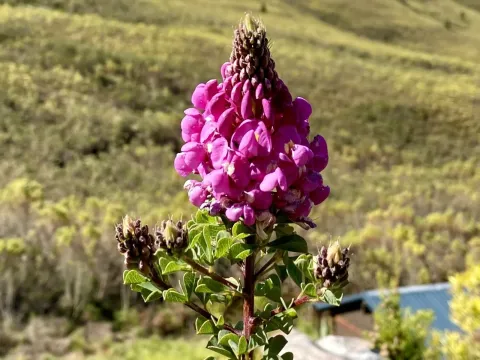
Hypocalyptus
Hypocalyptus
The genus Hypocalyptus belongs to the Fabaceae family, comprising a small group of shrubs naturally occurring in the Cape Floristic Region of South Africa. These plants are essentially adapted to the unique fynbos biome, which dictates their specific growing needs.
What the section contains

Hypocalyptus
Cultivation of this genus requires well-drained, acidic sandy soils. They thrive in nutrient-poor substrates, as they have evolved to cope with limited soil fertility typical of their native habitat. Excess organic fertilizers can often do more harm than good.
Regarding climate, Hypocalyptus requires a Mediterranean-type environment characterized by cool, moist winters and warm, dry summers. Protecting the plants from extreme frost or excessive humidity is vital for their long-term survival in an agricultural or garden setting.
Exposure to full sunlight is essential for the healthy development of these shrubs. Lack of sufficient light often results in weak, spindly growth and a significant reduction in the production of their characteristic flowers, which are highly attractive to local pollinators.
The economic and agricultural utility of Hypocalyptus is currently focused on conservation and specialized ornamental usage. Its potential as a niche agricultural product is limited, yet it remains a subject of interest for sustainable landscape restoration projects.
Pathogenic fungi represent the primary threat to the genus, especially when cultivated in environments with inadequate soil aeration. Root rot is a common outcome of poorly managed irrigation practices, leading to the rapid decay of the vascular system.
Sucking insects, including aphids and various mite species, are the most prevalent pests encountered during the growing season. These pests target succulent new shoots, causing physiological stress and reducing the overall vigor of the shrub.
Leaf-eating larvae of specific Lepidoptera can cause sporadic but intense damage to the foliage. Integrated pest management strategies, focusing on monitoring and biological controls, are recommended to maintain plant health without disrupting the local ecosystem.
Weed infestation poses a significant challenge during the initial stages of establishment. Because these plants often grow in challenging, nutrient-poor conditions, they are easily outcompeted by invasive weeds if the area is not kept clean and managed correctly.
Maintaining proper hygiene and ensuring adequate air circulation are the best defensive measures against disease. Periodic inspections of the underside of leaves and the root collar are essential for early detection of potential threats before they become unmanageable.