
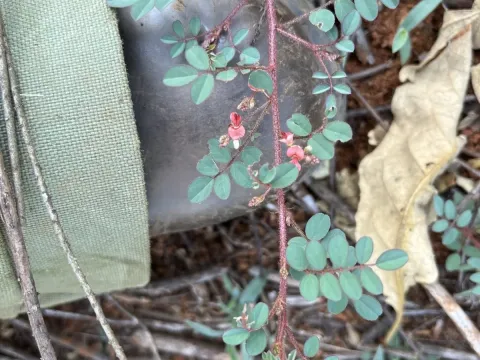
Indigofera adenoides
Indigofera adenoides
Indigofera adenoides is a perennial plant belonging to the Fabaceae family. As a typical member of this family, it plays a vital role in nitrogen fixation, which significantly contributes to soil fertility improvement in sustainable farming systems.
What the section contains
Indigofera adenoides
The species is native to tropical regions of Africa, where it has evolved to thrive in environments characterized by distinct wet and dry seasons. This natural adaptation makes it a robust choice for tropical agricultural zones.
The crop thrives in well-drained soils, specifically preferring sandy loam textures. Ensuring adequate soil aeration is crucial for the healthy development of its root system, as waterlogging is a primary stress factor that can impede growth.
Climatic requirements focus on high light intensity and moderate to warm temperatures. The plant demonstrates significant tolerance to drought, maintaining its physiological activity even during prolonged rainless periods.
Botanically, it features pinnate leaves and small, distinct flowers, which are characteristic of the Indigofera genus. Its growth habit is typically semi-shrubby, making it effective for soil stabilization and landscape protection.
The primary agricultural use of Indigofera adenoides is as a green manure or cover crop. By incorporating its biomass into the soil, farmers can naturally replenish nitrogen levels, reducing the dependency on expensive synthetic nitrogen fertilizers.
While primarily valued for soil health, it can serve as a supplementary forage source in semi-arid pastoral systems. Careful management of grazing cycles is recommended to ensure the plant's long-term persistence and nutritional value.
Biomass production is optimized when the crop is managed through periodic pruning. This practice stimulates lateral growth and maximizes the accumulation of organic matter, which is essential for improving the soil's structure.
Weed suppression is another significant benefit provided by this species. Due to its vigorous growth and canopy closure, it effectively shades the ground, preventing the germination and development of competitive weed species.
Harvesting for seed production should be timed carefully. The timing must align with the maturation of the pods to minimize natural dehiscence, which often leads to significant yield losses if delayed too long.
Common threats to Indigofera adenoides include fungal pathogens that thrive in high humidity conditions, such as powdery mildew or leaf spot diseases. Preventive measures include ensuring good air circulation between plants.
Insect pests such as leaf-eating caterpillars and aphids can cause damage to the tender foliage during the early stages of development. Regular field scouting is necessary to identify infestations before they reach the economic injury level.
Root-knot nematodes are occasionally identified as a factor that may affect growth, especially in sandy soils that have been under continuous cultivation without crop rotation practices.
Effective pest management relies on Integrated Pest Management (IPM) techniques. Encouraging natural predators and maintaining ecological balance on the field edge helps in keeping pest populations under natural control.
Excessive humidity during the seed maturation phase can also lead to pod rot. Proper crop density and selection of suitable planting sites significantly mitigate these risks, ensuring a healthier and more productive harvest.