
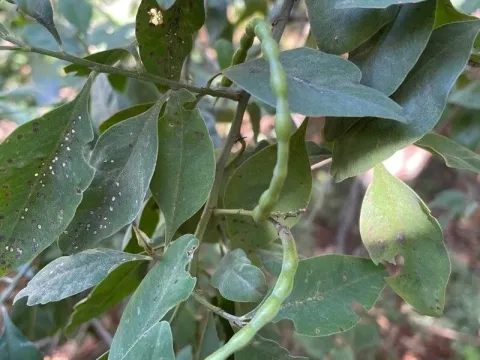
Indigofera ammoxylum
Indigofera ammoxylum
Indigofera ammoxylum is a woody plant species belonging to the legume family (Fabaceae). Originating from the island ecosystems of Polynesia, this plant represents a unique botanical profile, adapted to specific tropical insular conditions, often growing in rocky or volcanic soils.
What the section contains
Indigofera ammoxylum
The core agricultural importance of this plant lies in its nitrogen-fixing capabilities. By hosting symbiotic rhizobia, the plant significantly contributes to soil fertility, making it an excellent candidate for ecological restoration and agroforestry projects in tropical regions.
The climate requirements for Indigofera ammoxylum are strictly tropical. It thrives in environments with consistent high temperatures and high humidity levels. It is not cold-hardy and will experience severe stress or mortality if exposed to temperatures approaching freezing or significant frost events.
Regarding soil conditions, this culture requires excellent drainage. While it can handle nutrient-poor substrates, it is highly sensitive to waterlogging. Ideally, the soil should be porous and allow for rapid root aeration, which is essential to prevent physiological decay of the root system.
The agronomic management of this species involves maintaining appropriate spacing to prevent competition for light and resources. In an agricultural setting, it is primarily used for its restorative properties, helping to improve soil structure for subsequent crop rotations.
The primary threats to Indigofera ammoxylum in cultivated environments include fungal pathogens that thrive in high-humidity tropical conditions. Leaf spot diseases are the most common issue, often triggered by poor air circulation between the plants.
Pests such as specialized leaf-feeding beetles and mites can cause significant damage. Managing these threats typically involves Integrated Pest Management (IPM) strategies, avoiding heavy synthetic pesticide use to maintain the health of the soil microbiome that supports nitrogen fixation.