
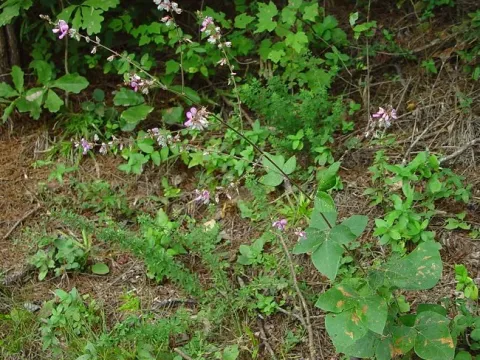
Velvetleaf ticktrefoil
Desmodium viridiflorum
Velvetleaf ticktrefoil (Desmodium viridiflorum) is a perennial herbaceous plant belonging to the Fabaceae family. It is recognized for its robust growth habit and its role as a significant component in natural meadow ecosystems, serving as a source of high-protein forage.
What the section contains
Velvetleaf ticktrefoil
The species is native to North America and is typically found in habitats ranging from open woodlands to well-drained meadows. It thrives in temperate regions where rainfall is sufficient to support consistent growth throughout the summer season.
Cultivation of this plant requires soils that are well-drained and slightly acidic to neutral in pH. Unlike many other legumes, it demonstrates a notable tolerance for varied soil conditions, provided that heavy waterlogging is avoided to protect the root system.
A key agronomic advantage of Desmodium viridiflorum is its symbiotic relationship with nitrogen-fixing bacteria. This biological process facilitates the enrichment of soil nitrogen levels, making it a valuable crop for sustainable rotation systems.
To establish a productive stand, proper land preparation is essential, including clearing perennial weeds that might compete for nutrients. Once established, the plant shows strong resilience to seasonal shifts and environmental stressors.
The crop is susceptible to certain fungal pathogens, including leaf spot diseases and rust, which often emerge under high humidity conditions. Implementing strict field sanitation and choosing resistant varieties are the primary methods for managing these risks.
Pest pressures primarily come from herbivorous insects, such as caterpillars and weevils, that feed on the foliage. Crop monitoring and the maintenance of a healthy plant population are recommended to mitigate the impact of these pests on overall yield.