
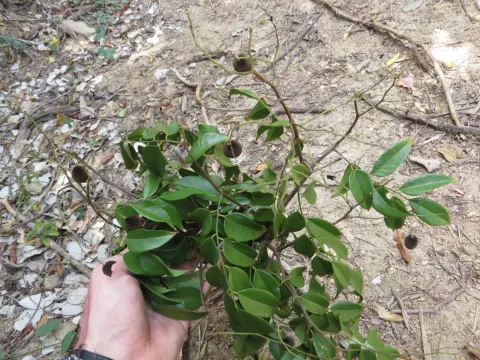
Velvet tamarind
Dialium cochinchinense
Velvet tamarind (Dialium cochinchinense) is a prominent tree species belonging to the legume family, Fabaceae. It is a slow-growing hardwood tree known for its dense foliage and significant ecological role in Southeast Asian forests.
What the section contains
Velvet tamarind
The natural range of this species spans across the tropical regions of Southeast Asia, specifically in countries such as Thailand, Vietnam, and Cambodia. It thrives in lowland forests and areas with stable tropical environments.
To cultivate Dialium cochinchinense, specific climate parameters are essential. The tree prefers hot temperatures ranging from 24°C to 30°C and requires a distinct seasonal cycle of rainfall to trigger vegetative and reproductive growth phases.
Soil requirements involve well-drained, nutrient-rich substrates. While the tree can tolerate various soil types, it performs best in deep loams with a slightly acidic profile. Proper site selection is crucial to prevent root rot in juvenile specimens.
Agronomic management includes establishing a protective buffer against extreme winds during the initial growth years. Providing appropriate spacing in plantations ensures optimal canopy development and reduces competition for light and soil nutrients.
The economic value of this crop is primarily focused on its hard, durable timber. Wood from Dialium cochinchinense is highly valued for fine woodworking, construction, and high-end furniture manufacturing due to its resistance and aesthetic qualities.
The fruits of the tree are small, pod-like berries featuring a hard, velvet-like shell, which gives the plant its common name. The pulp is sweet, acidic, and highly popular as a natural snack in its native range.
Harvesting fruits involves collecting ripe pods when they detach easily from the stem. Processing involves simple mechanical shelling to access the edible portion, which can be stored for short periods if kept in cool, dry conditions.
Beyond timber and food, the species has pharmacological potential. Various extracts from its bark and leaves have been documented in ethnobotanical studies, reflecting its historical use in traditional medicinal practices.
Sustainable harvesting remains a critical concern for this species. Given its slow growth rate, intensive management practices must prioritize conservation and long-term planning to ensure the viability of future yields and the preservation of wild populations.