
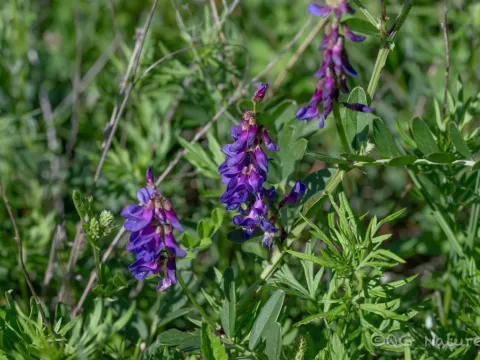
Vicia amoena
Vicia amoena
Vicia amoena is a perennial herbaceous plant belonging to the Fabaceae family, often grown as a component of mixed forage pastures. The optimal time for sowing is early spring, once the soil has warmed up and reached sufficient moisture levels.
What the section contains
Vicia amoena
The seeds are sown in rows with spacing of 15-20 cm at a depth of 2-4 cm. Proper soil compaction after sowing is essential to ensure consistent moisture contact, which significantly improves the germination rate of the seeds.
In the first year, the plant establishes its root system and creates a vegetative rosette, growing relatively slowly. Farmers should ensure the field is free of aggressive weeds during this critical establishment phase.
Inoculation of seeds with appropriate rhizobium bacteria is highly recommended when planting in new fields to ensure effective biological nitrogen fixation from the start. This practice promotes better plant vigor and soil enrichment.
Sowing in mixtures with grasses is common, as Vicia amoena benefits from the structural support provided by the grass stalks, which prevents the vetch from lodging during the growing season.
This species prefers moderately moist, fertile soils, particularly loams and sandy loams with a neutral pH. It is characterized by excellent frost resistance, making it suitable for cultivation in regions with cold climates.
Vicia amoena requires high levels of light and does not perform well in shaded areas. It shows greater drought tolerance compared to many other vetch species, which allows it to adapt to various ecological conditions in temperate zones.
The plant does not tolerate waterlogging, so it is necessary to select well-drained fields for successful cultivation. An optimal soil reaction for the best growth is between 6.0 and 7.5 on the pH scale.
Application of phosphorus and potassium fertilizers is highly effective for promoting root development and increasing green mass yield. Nitrogen fertilization is usually only necessary in small starter doses if the soil is severely depleted.
Maintaining proper weed control and monitoring soil structure are key components of successful agricultural management for this crop, ensuring the longevity of the perennial stand.
The yield of Vicia amoena depends on the overall agricultural management, climatic conditions, and the presence of companion grass species. Under ideal conditions, it can provide two or more cuts per year.
The green mass is rich in crude protein and essential vitamins, making it a high-quality forage crop. Depending on the soil fertility and moisture availability, yields can range from 15 to 25 tons per hectare.
Seed production is stable but requires careful attention to the timing of the harvest. If left too long in the field, the pods may shatter and drop seeds, leading to significant harvesting losses.
Peak productivity typically occurs between the second and fourth years of growth. After several years, the stand might require rejuvenation or overseeding to maintain high levels of output.
Incorporating this legume into rotation cycles significantly improves soil fertility by increasing organic nitrogen content, which directly benefits subsequent crops in the rotation.
Common diseases affecting the crop include powdery mildew and ascochyta blight, which are more prevalent in humid environments. Proper crop rotation and timely mowing help mitigate these issues significantly.
Pests such as the pea leaf weevil can cause damage to the foliage and root nodules. Regular monitoring of the plant population is necessary to identify infestations early and prevent economic loss.
Aphids may occasionally target the younger, succulent parts of the plant, potentially causing stunted growth. In cases of high pest pressure, approved systemic insecticides may be applied to protect the stand.
Ensuring good air circulation within the stand is a natural defense against many fungal pathogens. Excessive density should be avoided to keep the microclimate around the stems dry and healthy.
Proactive management of the field borders to prevent the spread of parasitic plants like dodder is also an essential part of the health maintenance program for the forage crop.
The harvest should take place at the beginning of the flowering stage, as this is when the nutrient concentration in the biomass is at its highest. Harvesting at this time ensures high palatability for livestock.
Mowing should be performed during dry weather after morning dew has evaporated to ensure rapid wilting and proper drying. A stubble height of 6-8 cm is recommended to encourage rapid regrowth of the next cut.
Extreme care must be taken during the tedding and raking processes to prevent leaf loss, as the foliage contains the most valuable protein components. Over-drying should be strictly avoided.
Seed harvesting is best conducted in two phases: cutting the crop and letting it dry in windrows, followed by threshing once the moisture content has reached the appropriate level for long-term storage.
Proper storage of the harvested hay in dry, well-ventilated conditions is crucial to prevent mold and loss of nutritional value before the winter feeding period.