
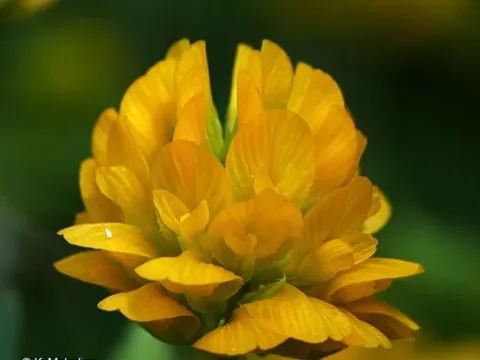
Velenovsky's Clover
Trifolium velenovskyi
Velenovsky's Clover (Trifolium velenovskyi) is a perennial herbaceous plant belonging to the Fabaceae family. It is primarily recognized for its native occurrence in the Balkan region, specifically in mountain environments where it demonstrates high ecological plasticity.
What the section contains
Velenovsky's Clover
Botanically, the plant is characterized by a strong taproot system that enables it to thrive in nutrient-poor, rocky substrates. The leaves are trifoliate and exhibit a distinct pubescence, which serves as an adaptation to minimize transpiration in high-altitude conditions.
The climate requirements for this species include cold tolerance, as it is adapted to mountain climate zones. It prefers well-drained, neutral-to-acidic soils and requires adequate solar radiation to ensure proper vegetative growth and seed development throughout the season.
Agronomic practices for this clover emphasize minimal soil disturbance to preserve the structure of the pasture. Due to its nitrogen-fixing capabilities, it contributes to soil enrichment, acting as a natural fertilizer in its local ecosystems and providing high-quality biomass.
Its primary agricultural use is centered on biodiversity conservation and its potential as a genetic resource for breeding programs. It is an excellent candidate for the reclamation of mountain pastures that have been degraded due to intensive grazing or natural erosion.
Common diseases affecting this species include fungal infections such as powdery mildew, which tend to develop during periods of high humidity and poor air circulation within the plant canopy. Maintaining clear spacing is a primary preventative measure.
Pest threats primarily involve clover seed weevils and other coleopterans that feed on reproductive structures. Integrated pest management strategies, including the use of resistant strains and crop monitoring, are essential for maintaining healthy populations.