
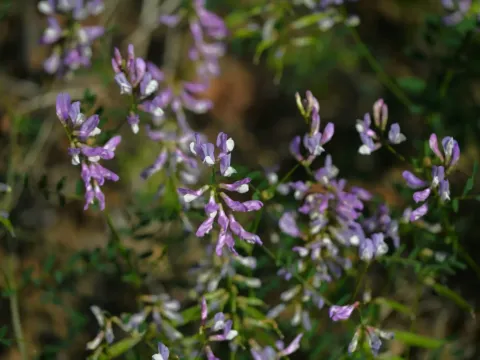
Vicia altissima
Vicia altissima
Vicia altissima is a perennial herbaceous plant belonging to the Fabaceae family. As a climbing species, it is known for its ability to produce significant vegetative biomass, making it a valuable candidate for forage production.
What the section contains
Vicia altissima
The optimal sowing time is early spring, once the soil has warmed to at least 5-8 degrees Celsius. Providing sufficient moisture during the establishment phase is critical for achieving a uniform and high-density stand.
This crop can be sown as a monoculture or as part of a multi-species forage mix. Seed depth should generally range between 3 to 5 centimeters, depending on the specific soil structure of the site.
Seeding rates typically range from 80 to 120 kilograms per hectare. When the primary objective is seed production, lower seeding rates are often recommended to allow for better light penetration and air circulation.
The plant exhibits vigorous early growth, which helps it effectively suppress competitive weed species in the field. Proper seedbed preparation is essential to ensure that the seedlings establish themselves quickly.
Vicia altissima shows moderate environmental requirements, adapting well to temperate climates with sufficient precipitation. It is resilient enough to withstand minor temperature fluctuations without significant yield loss.
The plant thrives in fertile loamy or chernozem soils. It prefers soils with a neutral to slightly alkaline pH level to support optimal growth and the activity of nitrogen-fixing bacteria.
Waterlogged conditions or areas with a high water table should be avoided, as the plant does not tolerate stagnant water well. Similarly, excessively sandy soils that dry out too rapidly are not ideal for this species.
As a legume, Vicia altissima performs nitrogen fixation through root nodules, which improves soil fertility. This makes it an excellent choice for rotation with grain crops, as it leaves behind organic nitrogen.
Adequate levels of phosphorus and potassium are necessary to maximize yields and improve the feed quality of the harvested biomass. Balanced fertilization is a key component of a successful management strategy.
The primary use of Vicia altissima is for high-protein forage, including green chop, hay, and silage. Its leafy stems provide excellent nutritional value, which is highly appreciated in livestock farming.
Depending on soil quality and agricultural practices, yields can reach between 30 and 45 tonnes of green mass per hectare. High-yielding years depend significantly on rainfall during the active growth period.
Hay yields are typically between 6 to 10 tonnes per hectare. The high protein content makes this forage a vital component in diets for ruminants, contributing to better weight gain and milk production.
The plant possesses good regrowth capacity, allowing for multiple cuts during the growing season. This regrowth increases the total annual productivity of the land, making it a highly efficient crop.
Beyond its value as fodder, Vicia altissima serves as an effective green manure. Its dense root system and nitrogen-fixing ability contribute to better soil structure and sustained organic matter levels.
Common diseases affecting Vicia altissima include Ascochyta blight and powdery mildew, which are more prevalent in humid weather. Maintaining proper field hygiene and appropriate spacing can help minimize these risks.
Pests such as pea weevils and aphids are common concerns. Aphids can cause curling of the leaves and stunt growth, while weevils can damage both roots and developing seeds.
Seed damage by bruchid beetles is another challenge. Treating seeds before planting and practicing integrated pest management are recommended to protect the integrity of the crop.
Frequent field scouting is essential to monitor pest populations. Early detection allows for targeted interventions, reducing the need for broad-spectrum chemical applications.
Biological control methods and the use of resistant varieties, where available, are encouraged in sustainable agricultural systems to manage diseases and pests effectively.
The ideal time to harvest for forage is during the peak flowering stage. At this point, the plants have the best balance of protein content and digestibility before the stems become too fibrous.
To produce quality hay, the crop should be windrowed and dried quickly. Care must be taken to minimize the loss of leaves during handling, as the leaves contain the highest concentration of nutrients.
For seed harvesting, the crop should be cut when the pods turn brown. Timing is critical, as excessive dryness can lead to pod shattering, which results in significant seed losses during mechanical harvest.
Post-harvest handling involves cleaning the seeds and drying them to a moisture content of approximately 14-15%. Proper storage in a dry and ventilated facility is necessary to prevent spoilage.
Timely harvest is the single most important factor for success. Delays can result in lower feed quality and significant economic losses during the threshing process.