
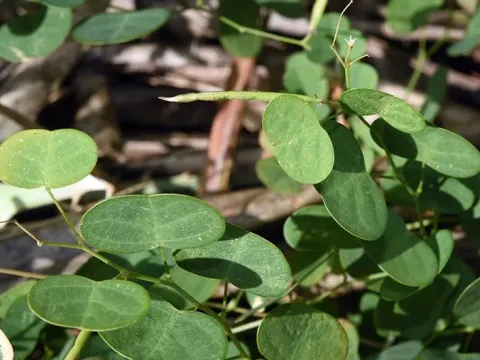
Desmodium renifolium
Desmodium renifolium
Desmodium renifolium is a perennial herbaceous plant belonging to the legume family (Fabaceae). Native to parts of Asia, this plant is known for its prostrate to ascending growth habit, making it an excellent candidate for pasture and forage cover.
What the section contains
Desmodium renifolium
The plant thrives in warm, humid climates and exhibits a high tolerance for various soil conditions, including acidic soils where other forage species might struggle to establish. It requires adequate rainfall or consistent irrigation during the peak growing season to reach its full potential.
Regarding sunlight requirements, Desmodium renifolium performs best in full sun but can adapt to partial shade, which allows it to be used in agroforestry systems alongside trees. Temperatures between 20°C and 30°C are considered optimal for its metabolic activity and biomass accumulation.
Successful establishment depends on proper seedbed preparation to minimize weed competition during the early stages of growth, when the plant is most vulnerable. Inoculating seeds with appropriate nitrogen-fixing bacteria is a recommended agronomic practice to maximize soil fertility benefits.
Its primary agricultural use is as a high-quality forage source for livestock. Due to its nutritional profile, it significantly improves the protein content of fodder when mixed with tropical grasses, contributing to overall better weight gain and animal productivity.
The crop is vulnerable to various fungal diseases, with anthracnose and leaf spot diseases being the most common threats that can significantly reduce the quality and yield of the forage foliage.
Insect pests, particularly caterpillars and other leaf-feeding insects, can cause extensive damage during the vegetation phase, leading to reduced photosynthetic capacity and overall stunted growth.
Root-knot nematodes often pose a significant challenge in warmer regions, potentially weakening the plant's resistance to drought and nutrient stress by damaging the root system's ability to absorb water.
Effective management strategies include crop rotation, controlled grazing practices, and the selection of disease-resistant germplasm to mitigate the risks associated with these pathogens.
Early detection through regular scouting of pastures is essential for implementing integrated pest management programs, ensuring that any necessary interventions are applied sustainably and efficiently.