
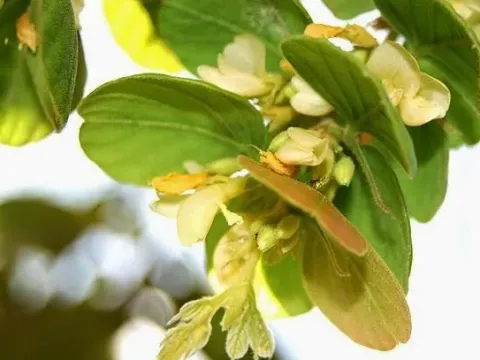
Desmodium pulchellum
Desmodium pulchellum
Desmodium pulchellum is a perennial subshrub belonging to the Fabaceae family. Known for its distinct morphological features, it serves as a valuable crop for sustainable agricultural practices, particularly due to its nitrogen-fixing capabilities that improve soil health.
What the section contains
Desmodium pulchellum
The plant originates from tropical and subtropical regions of Asia. It thrives in well-drained, fertile, loamy soils that provide optimal aeration. Although it favors tropical conditions, it is sensitive to waterlogging, which can rapidly compromise its root structure and overall viability.
Climatic requirements focus on warmth and consistent sunlight. Desmodium pulchellum performs best in areas where temperatures remain stable and the photoperiod is sufficient. Shade tolerance is moderate, making it suitable for intercropping in diverse agroforestry systems.
Agrotechnical management includes regular weeding and soil cultivation to maintain surface structure. As a legume, it performs best when supplied with adequate phosphorus and potassium, while nitrogen fertilization is usually unnecessary due to symbiotic bacterial activity in the roots.
The economic value of this crop is multifaceted. It is utilized in traditional pharmacological formulations, soil erosion control, and research into high-protein forage supplements for livestock. Its resilience makes it an interesting candidate for tropical agriculture development.
The primary threats to Desmodium pulchellum are fungal pathogens, specifically those that thrive in humid environments. Diseases such as powdery mildew and root rot represent the most significant risk to plantation health and biomass yield.
Pest management is centered on controlling leaf-eating insects and root-knot nematodes. These organisms can severely inhibit plant growth if they reach economic threshold levels during the early stages of development.
Preventive strategies include proper spacing of plants to ensure good air circulation, which reduces the incidence of fungal outbreaks. Additionally, strict adherence to sanitation practices in the field is crucial for long-term health.
Biological control agents, including beneficial insects, are recommended to maintain the ecological balance within the cultivation area. Reducing the use of synthetic pesticides is essential to preserve the symbiotic nitrogen-fixing bacteria.
Consistent monitoring and early detection of symptoms are vital. Once an outbreak is identified, immediate removal of infected plant matter is the most effective way to protect the surrounding crop area.