
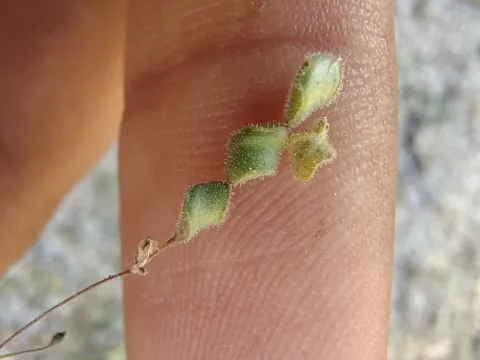
Desmodium procumbens
Desmodium procumbens
Desmodium procumbens is a herbaceous plant belonging to the Fabaceae family. It is native to tropical and subtropical parts of the Americas, where it has historically been utilized in local agricultural systems.
What the section contains
Desmodium procumbens
The plant is characterized by its spreading growth habit, often rooting at the nodes, which makes it an excellent candidate for ground cover and soil erosion prevention in tropical farming systems.
Regarding climate requirements, this crop thrives in warm, humid environments with an optimal temperature range between 20°C and 30°C. It is sensitive to frost and prefers climates without prolonged dry spells.
Soil quality is paramount for yield optimization. Desmodium procumbens prefers well-drained, fertile soils with a pH ranging from 6.0 to 7.0. It does not tolerate waterlogging, which can lead to root system decay.
The main agricultural benefit of this species lies in its high protein content, making it an ideal forage crop for grazing animals. Additionally, its ability to fix atmospheric nitrogen improves the nitrogen profile of the soil for subsequent crops.
The crop is susceptible to various fungal pathogens, particularly under conditions of high humidity, which can lead to leaf spots and stems blight. Maintaining proper plant spacing is essential for air circulation.
Insect pests, including aphids and pod borers, pose a significant risk during the flowering and seed development stages. Integrated pest management strategies are recommended to maintain field health.