
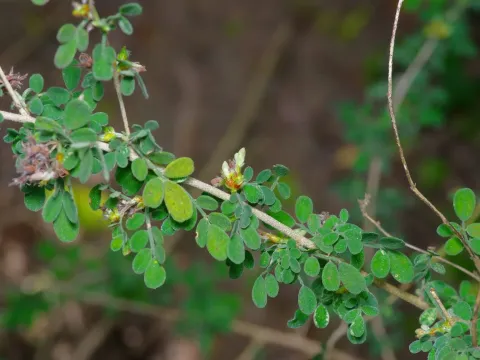
Dalea scandens
Dalea scandens
Sowing of Dalea scandens should be performed in warmed soil when temperatures remain consistently above 15 degrees Celsius. Seeds require pre-sowing scarification to break dormancy and ensure even germination.
What the section contains
Dalea scandens
The optimal time for planting is late spring, once the threat of frost has passed, as young shoots are highly susceptible to cold damage. Planting depth should be strictly monitored.
Seeds should be buried at a depth of 1 to 2 centimeters to ensure good soil contact and consistent moisture levels. Using light, well-draining soil mixes can significantly improve the emergence rate.
Seedlings typically emerge within 10 to 14 days under proper temperature conditions. Once the first true leaves develop, thinning may be required to prevent overcrowding and ensure healthy development.
Rapid growth of the vegetative mass makes spacing a priority. Managing plant density early on prevents moisture accumulation, which can otherwise lead to stem-base issues in denser stands.
Dalea scandens belongs to the Fabaceae family and thrives in well-drained, sandy loam or light loam soils with a neutral pH. It is particularly sensitive to waterlogged, heavy clay soils.
This species is highly photophilous and requires full sun exposure to maintain vigorous growth and abundant flowering. Shaded environments often result in weak, elongated stems and reduced vitality.
The plant exhibits excellent drought tolerance, making it a viable crop for regions with irregular rainfall patterns. Supplementary irrigation during early development helps establish a deep root system.
Nitrogen fixation is essential for this legume's success. Ensuring the presence of symbiotic Rhizobium bacteria in the soil is crucial for optimizing yield and plant health in new fields.
An ideal temperature range for active growth is 20 to 30 degrees Celsius. While robust, the plant prefers locations protected from strong, drying winds to minimize transpirational stress.
Root rot is the primary threat to the crop, typically triggered by poor drainage or excessive soil moisture. Implementing proper field sanitation and crop rotation is the best preventative measure.
Insect pests such as weevils and aphids can damage tender foliage and flower buds. Regular field scouting is necessary to identify infestations before they reach the economic threshold.
Powdery mildew may occur during seasons with high humidity and stagnant air. Management involves the application of appropriate fungicides and the removal of heavily infected plant debris.
Caterpillars of various species may feed on the foliage, potentially reducing overall biomass. Maintaining a weed-free field edge helps reduce the pest population density around the crop.
Viral infections transmitted by sap-sucking insects require immediate attention. Rogueing out diseased plants is essential to contain the spread within the field and protect healthy specimens.