
Dalea
Dalea
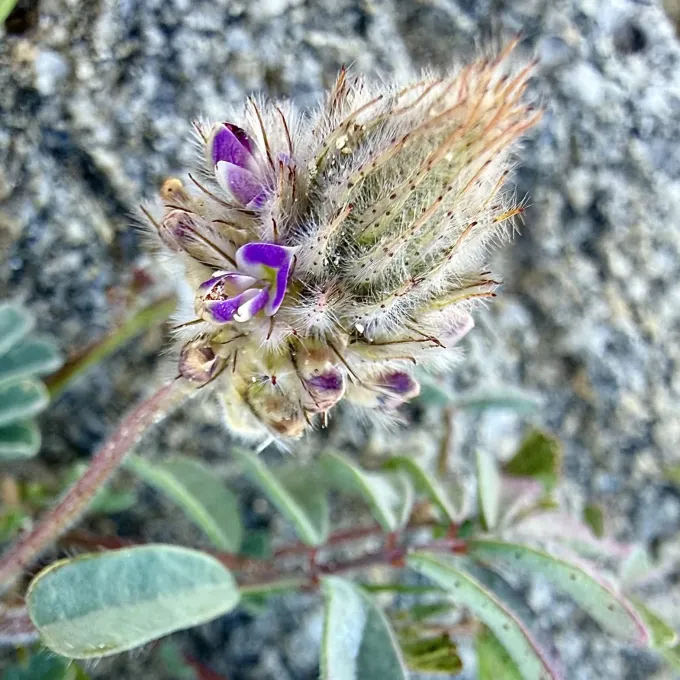
Description
Sowing dates
Sowing Dalea is best performed in the spring when soil temperatures reach 10–12°C. The optimal period usually falls in late April or early May, depending on the specific climatic conditions of the cultivation region.
Since the seeds of this crop possess a hard coat, scarification is highly recommended prior to planting to enhance germination rates. Seeds should be planted at a shallow depth of 1–2 centimeters in well-prepared, firm soil.
The seeding rate varies based on the intended use: for hay production, it is generally around 10–12 kg per hectare. For seed production crops, slightly lower plant densities are preferred to optimize the development of reproductive structures.
Dalea responds well to row or narrow-row planting patterns. This helps the crop close the canopy faster, effectively suppressing weed growth during the early stages of vegetation when the plants establish themselves relatively slowly.
Ensuring adequate contact between the seeds and moist soil is crucial for successful emergence. After sowing, it is advisable to use a light roller to pack the soil, which helps maintain a favorable microclimate for seed germination.
Growing requirements
Dalea belongs to the Fabaceae (legume) family and typically manifests as a perennial herb or subshrub. It is highly valued for its drought tolerance and ability to thrive on poor, eroded soils, making it an excellent candidate for land reclamation.
The crop prefers well-drained sandy or sandy-loam soils. It shows remarkable tolerance to alkaline and saline soil conditions, where many other forage grasses and legumes would typically struggle to survive or develop.
Dalea requires open, well-lit sites to thrive. It does not tolerate prolonged waterlogging or poor drainage, so fields with high water tables are generally unsuitable for the cultivation of this specific legume.
The plant features a deep, well-developed root system that allows it to access moisture and nutrients from deeper soil horizons, which is vital for survival during extended periods of summer drought.
Native to the prairies of North and Central America, Dalea is well-adapted to temperature fluctuations. It can withstand moderate frost during the winter provided there is a reasonable amount of snow cover to protect the crown.
Main diseases and pests
This crop is generally characterized by high natural resistance to most pathogens that affect legumes. However, under conditions of high air humidity during flowering, some susceptibility to powdery mildew or leaf spot diseases may occur.
Primary pests for Dalea include various types of weevils and aphids, which may damage reproductive organs and young shoots. In most cases, large-scale pesticide applications are not necessary for maintaining healthy crop stands.
To minimize the risk of infection, it is recommended to practice crop rotation and avoid overcrowded plantings. Good agronomic management, including timely weed control, helps prevent fields from becoming reservoirs for pathogens.
If root rot symptoms appear due to excessive soil moisture, improving field drainage is the most critical intervention. The crop is very sensitive to fungal root diseases when the soil water-air balance is compromised.
Pest monitoring should be conducted during the budding phase. If the economic threshold of damage is exceeded, the use of approved biological control agents is preferred to ensure environmental safety and produce quality.
Harvesting
Harvesting green biomass for hay should be performed at the mass-flowering stage. This is when the concentration of protein and biologically active compounds in the aerial parts of the plant is at its highest.
When used as forage, Dalea is typically mowed at a height of 8–10 cm above the soil surface. This cutting height promotes rapid regrowth and helps maintain the health and vigor of the root system for subsequent seasons.
Seed harvesting is carried out when the seed pods have turned brown on approximately 70–80% of the plants. It is important to avoid over-ripening, as seeds may shatter due to wind or mechanical harvesting equipment.
After mowing, the seed material is often left in windrows for several days to finish maturing. The moisture content of the seeds at storage must be kept below 12–14% to ensure viability and quality for several years.
Dalea provides high-quality forage and is frequently used to improve the nutritional profile of pastures. It is readily consumed by livestock, both fresh and as hay, providing a valuable source of essential plant-based protein.