
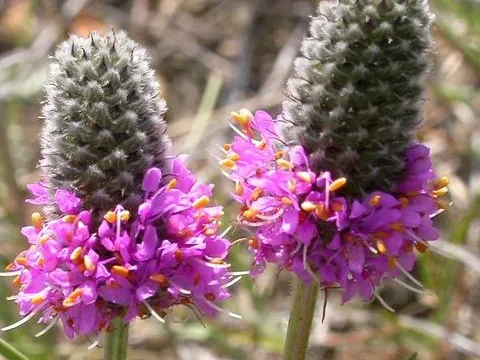
Dalea annua
Dalea annua
Dalea annua is typically sown in the spring once soil temperatures have reached at least 12–15 degrees Celsius. Due to the hard seed coat, scarification is often recommended to improve germination rates and uniformity.
What the section contains
Dalea annua
The optimal planting depth is 1 to 2 centimeters, depending on soil texture and moisture conditions. Planting too deeply may significantly delay seedling emergence or lead to sprout death before reaching the surface.
Seeding rates should be adjusted based on the intended use, whether for biomass production, seed multiplication, or cover cropping. Maintaining proper row spacing is crucial for effective weed control.
Germination can be slow, making early-stage weed suppression a vital agronomic task. Frequent inter-row cultivation during the initial phase of development helps maintain soil aeration and moisture.
In arid regions, soil compaction (rolling) after planting is advisable to ensure good seed-to-soil contact. This promotes efficient water uptake from the soil layers during the germination phase.
This legume species is known for its remarkable adaptability to harsh environments. It thrives in poor, sandy, and well-drained soils, where it contributes to soil fertility through natural nitrogen fixation.
The plant demonstrates high drought tolerance due to its extensive, deep-reaching taproot system. It is particularly well-suited for regions that experience periods of moisture deficit during the growing season.
Optimal growth requires full sun exposure, as shading can negatively impact biomass yield and plant morphology. Adequate light levels are essential for healthy photosynthesis and rapid development.
The species prefers neutral to slightly acidic soil conditions. It is highly sensitive to waterlogging, making well-drained sites mandatory to prevent root decay and ensure healthy development.
Nitrogen fixation is a key biological function of this crop, which allows it to enrich the soil with organic nitrogen. This makes it an excellent choice for crop rotations designed to restore poor soil.
The biomass yield of Dalea annua depends heavily on site-specific factors such as nutrient availability and climatic stability. Under ideal conditions, the plant can produce substantial vegetative matter.
Maximum nutrient content and biomass volume are typically achieved during the early flowering stage. Harvesting at this point ensures the highest quality forage and optimal green manure potential.
Seed production is generally stable, even in seasons with fluctuating rainfall. Proper management during the ripening phase helps prevent natural seed shatter and maintains crop yield.
When used as a green manure, the crop significantly improves soil structure and nutrient availability for subsequent plants. The residual organic matter leaves the soil in a superior physical state.
Yield potential is fully realized when the crop is planted in a weed-free environment and provided with appropriate conditions for its biological cycle. Avoiding competition is the key to high productivity.
The main threat to the crop is root rot, which typically occurs in poorly drained soils or during periods of excessive rainfall. Prevention through proper site selection is the best defense.
Various weevils can cause damage to leaves and young stems during the early stages of growth. Field scouting is essential to identify infestations before they cause significant economic damage.
Aphid populations can occasionally attack young growth, reducing vigor and affecting overall plant health. Integrated pest management, including the use of systemic insecticides, may be necessary in extreme cases.
Early-stage weed competition is the primary limiting factor for crop establishment. Implementing a robust weeding strategy is necessary to prevent yield loss from unwanted plant encroachment.
Crop rotation remains the most effective prophylactic measure against the buildup of species-specific soil pathogens. Avoiding planting following other legumes helps mitigate disease pressure.
For forage production, the crop should be harvested at the early flowering stage to capture the peak nutritional profile. Using modern forage harvesters allows for efficient biomass processing.
When making hay, rapid drying is critical to preserve the nutritional value of the foliage. The plant's thin stems allow for quick moisture loss, resulting in high-quality feed.
Seed harvesting should be performed when the pods reach full maturity. Specialized harvesting equipment must be calibrated to avoid mechanical damage to the seeds during the threshing process.
Incorporating the biomass into the soil as green manure should occur before the stems become overly lignified. This ensures faster decomposition and immediate nutrient release.
Post-harvest root residues continue to enhance soil structure and organic matter content, serving as a long-term benefit for the farm's soil quality.