
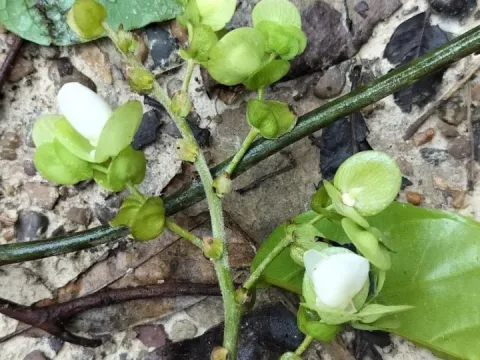
Dalhousiea
Dalhousiea
Dalhousiea belongs to the Fabaceae family. It is an evergreen shrub or small tree, which often exhibits climbing traits in its natural habitat as it searches for sunlight within dense forest canopies.
What the section contains

Dalhousiea
The plant is native to the tropical regions of West and Central Africa. It thrives in humid tropical rainforests, where consistently high temperatures and high air humidity levels are maintained throughout the year.
This crop has strict soil quality requirements. It grows best in organic-rich, deep loam soils with excellent drainage, as water stagnation can lead to root system decay.
In tropical environments, Dalhousiea prefers partial shade during its juvenile stage, although it becomes capable of adapting to more intense sunlight, typical of the upper forest canopy, as it matures.
From a utility perspective, Dalhousiea is considered a promising candidate for local medicinal use and tropical landscaping due to the specific phytochemical properties inherent in many members of the Fabaceae subfamily.
The primary threats to this species include pathogenic fungal infections that develop under conditions of excessive humidity and poor soil aeration.
Common pests include tropical insects such as scale insects and mealybugs, which infest shoots and leaves, significantly exhausting the plant.
Root system damage caused by nematodes represents a serious risk when cultivating on nutrient-poor or infested soils, reducing the overall vitality of the shrub.
Aphids can cause damage to young growth by sucking plant sap and promoting the growth of sooty mold on pest secretions.
To prevent potential losses, the use of biological control methods and strict adherence to planting spacing are recommended to ensure natural ventilation of the plant canopy.