
Daniellia
Daniellia
Daniellia is a genus of trees belonging to the Fabaceae family, native to tropical Africa. These trees are well-adapted to hot and humid tropical climates, typically thriving in forest zones that receive consistent rainfall throughout the year.
What the section contains


Daniellia
Successful cultivation requires deep, fertile, and well-drained soils. The trees perform best when planted in areas that prevent waterlogging, as their root systems rely on sufficient aeration to support the rapid growth characteristic of the species.
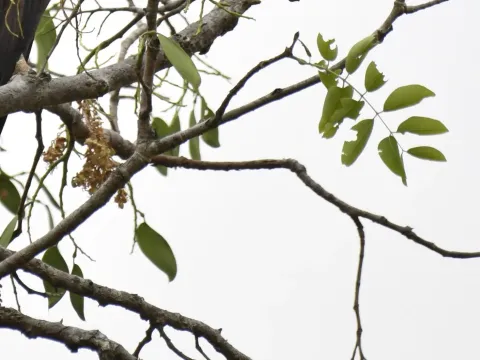
Botanically, Daniellia species are known for their impressive height and timber quality. They often form a dominant part of the forest canopy, with leaves that are characteristically pinnate and flowers often arranged in paniculate inflorescences.
The primary economic value of Daniellia lies in its timber. The wood is widely appreciated for its durability, medium density, and attractiveness, making it suitable for high-quality furniture, interior joinery, and heavy-duty construction projects.
Agrotechnical management involves careful site selection and monitoring during the establishment phase. Planting density must be managed to provide enough space for individual trees to develop full canopies, which is critical for maximizing overall forest productivity.
The trees face threats from various wood-decaying fungi, especially in plantations where humidity levels remain stagnant. Maintaining proper ventilation through silvicultural thinning is essential to keep the trees healthy and free from fungal pathogens.
Insect pests, particularly borers and termites, pose a significant risk to younger trees and can damage the long-term quality of the wood. Integrated pest management strategies are often implemented to preserve the viability of timber stands.