
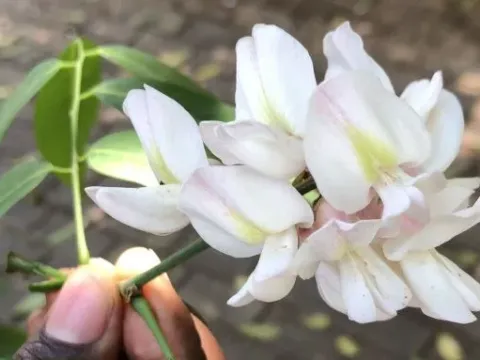
Craibia
Craibia
Craibia is a genus of trees and shrubs belonging to the Fabaceae family, primarily native to tropical regions of Africa. These plants are well-adapted to various forest ecosystems, ranging from dense evergreen forests to more open woodland and savanna-edge environments.
What the section contains
Craibia
The successful cultivation of Craibia requires a warm, humid climate without significant temperature extremes. These plants perform best in deep, well-drained soils that offer good moisture retention while preventing waterlogging, which is essential for maintaining a healthy root system.
One of the most significant features of Craibia is its nitrogen-fixing capability, occurring through symbiosis with root-nodule bacteria. This biological process significantly enriches the soil, making it a valuable species for soil restoration and sustainable agricultural systems.
Proper agronomic management involves protecting young seedlings from excessive competition and ensuring consistent irrigation during the establishment phase. As the plants mature, they demonstrate significant resilience to environmental pressures and seasonal fluctuations.
The selection of site conditions should favor areas with sufficient sunlight exposure, which is critical for biomass accumulation and the overall health of the tree canopy. Optimal growth is typically observed in regions where soil pH is near-neutral or slightly acidic.
The primary economic utilization of Craibia focuses on the production of high-quality timber known for its durability and strength. This wood is highly valued in local craftsmanship, tool making, and the construction of rustic farm structures.
Harvesting is typically planned based on the maturity of the timber, utilizing sustainable practices such as selective logging to preserve the long-term ecological balance of the forest or plantation plot.
Beyond timber, Craibia serves as a vital resource for apiculture, as its blossoms are an excellent nectar source for bees. This contributes to the stabilization of pollinator populations in the surrounding agricultural areas.
The organic matter produced by leaf litter decomposition acts as a natural fertilizer, enhancing soil fertility and structure in agroforestry systems. This nutrient cycling helps in reducing reliance on external inputs for crop maintenance.
Additionally, various parts of the plant are occasionally utilized in traditional local practices, further emphasizing the importance of Craibia as a multipurpose resource for communities in its native range.