
Coursetia
Coursetia
Coursetia is a large genus of flowering plants belonging to the Fabaceae family. These are perennial shrubs, subshrubs, or small trees that have adapted to a wide variety of growing conditions across their native habitats.
What the section contains
Coursetia
The natural distribution of the genus spans from the southwestern United States to South America. The greatest species diversity is observed in tropical and subtropical regions, where these plants typically inhabit dry forests and open slopes.
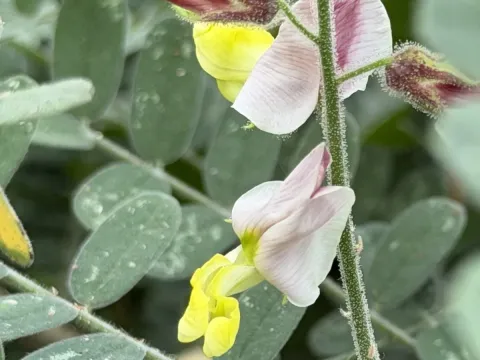
Botanically, the genus is characterized by pinnate leaves and typical legume-family inflorescences. The flowers exhibit a classic pea-like structure, ensuring efficient pollination by insects within their natural ecological niche.
The crop prefers well-drained, predominantly loamy or sandy soils. A critical requirement for healthy growth is sufficient sunlight, as most species in the genus are highly heliophilic and struggle under prolonged shade conditions.
These plants demonstrate high resistance to periodic droughts, making them promising for use in regions with irregular moisture patterns. They are capable of developing deep root systems that allow them to access water from lower soil strata.
The economic use of Coursetia is primarily focused on ecological restoration and the rehabilitation of degraded lands. Some species have potential as sources of forage biomass for livestock in arid regions.
Biological productivity varies depending on the species and specific site conditions. Under favorable conditions, these shrubs can produce a significant amount of vegetative mass, which is typically rich in protein, consistent with legume physiology.
For breeding purposes, nitrogen content in the biomass is a key indicator, as Coursetia possesses the ability to form symbioses with nitrogen-fixing bacteria. This capability allows for soil enrichment with available nitrogen without synthetic fertilizers.
In the wild, seed yields are not consistently high, although the pods ensure adequate natural recruitment of the population. Optimizing seed collection requires detailed study of the maturation cycles for specific species.
The future potential of the culture lies in phytoremediation. Utilizing species from this genus allows for effective erosion control on steep slopes, where other agricultural crops may fail to establish sufficient ground cover.
Typical pests include specialized insect phytophages that target legumes, such as weevils and various leaf beetles. In nursery settings, aphid infestations may occur during the early stages of plant development.
Plant diseases are most commonly associated with fungal infections triggered by excessive moisture. Waterlogging in the root zone promotes the development of root rots, which is a critical factor when selecting a planting site.
Control measures include strict adherence to phytosanitary standards and careful regulation of irrigation. In high-density plantings, thinning is recommended to improve air circulation and reduce the risk of pathogen spread.
Utilizing selection lines resistant to local pest strains remains the preferred strategy for protection. Integrated pest management, combining cultural practices, minimizes the need for chemical interventions.
The use of fungicides is only justified in intensive nursery production. In field conditions, the primary defense is appropriate crop placement within a rotation system, considering the biological compatibility of neighboring species.