
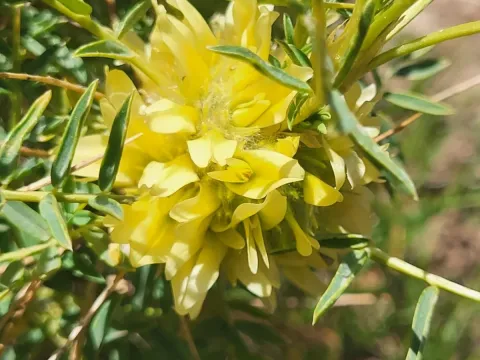
Golden milkvetch
Astragalus aureus
Golden milkvetch (Astragalus aureus) is a perennial herbaceous plant belonging to the Fabaceae family, recognized for its robustness and adaptability.
What the section contains
Golden milkvetch
The sowing process typically takes place in early spring once the soil temperature is sufficient to support germination and root development.
Before planting, seeds require scarification due to their hard seed coat, which helps to significantly improve the overall germination rate in the field.
Seeds are sown at a shallow depth of 1.5 to 2 centimeters, ensuring they remain protected while receiving enough soil moisture to initiate the growth process.
Because the crop grows slowly during its initial stage, maintaining a clean seedbed is essential to prevent weeds from outcompeting young seedlings.
Golden milkvetch is a sun-loving plant that thrives in open areas, requiring full solar exposure to maximize biomass production and overall plant health.
The plant demonstrates high tolerance for various soil types, preferring light loamy or sandy soils that offer good drainage and aeration for its roots.
While it is relatively drought-resistant once established, moderate moisture during the active growing season helps it reach its full productive potential.
A soil pH ranging from neutral to slightly alkaline is ideal, supporting the symbiotic nitrogen-fixing bacteria that are critical for the plant's nutrient uptake.
The species shows excellent winter hardiness, allowing it to survive in regions with cold climates where other forage legumes might struggle to persist.
The primary agricultural use of golden milkvetch is for forage production, providing a nutritious source of feed rich in proteins and essential vitamins.
It is widely valued for its ability to produce multiple cuts of green matter during a single season, especially when soil moisture is managed effectively.
The crop serves as an excellent honey plant, supporting local pollinator populations during its prolonged blooming period in the summer months.
Beyond forage, the extensive root system of the plant helps in soil stabilization, making it a viable choice for preventing erosion on slopes and banks.
Livestock producers benefit from incorporating this plant into grazing systems, as it contributes significantly to improved animal health and growth rates.
The plant can be susceptible to various leaf-eating insects, particularly beetles, which may cause damage to the foliage during periods of rapid growth.
Fungal diseases, such as powdery mildew, may emerge in conditions of high humidity, necessitating proper field management and occasional fungicide application.
Effective crop rotation is recommended to break the life cycles of specific soil-borne pests and maintain the long-term health of the cultivated area.
Weed management remains the most critical task in the first year, as young golden milkvetch plants are vulnerable to shading by fast-growing weeds.
Integrated pest management (IPM) practices, including the use of seed treatments, help ensure that the initial stand is protected from subterranean pests.
Harvesting for forage is best performed at the onset of the flowering stage, which ensures the highest nutritional concentration in the harvested stems.
Mechanical mowing followed by rapid drying is crucial for producing high-quality hay that retains its nutritional value throughout the storage period.
For seed production, harvesting should be timed carefully when the pods start turning brown, minimizing losses due to natural seed shattering on the field.
Proper post-harvest cleaning and drying to below 14% moisture content are essential to prevent mold growth and ensure seed viability for future planting.
Timely harvest management helps maintain the vigor of the plant, ensuring that it can successfully regrow for subsequent harvests and long-term production.