
Gonocytisus
Gonocytisus
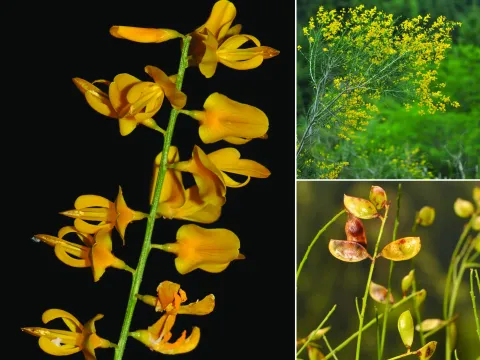
Gonocytisus is a genus of perennial shrubs belonging to the Fabaceae family. These plants are noted for their distinctive appearance and their ability to thrive in harsh, often arid environments typical of their native Mediterranean and Western Asian regions.
What the section contains


Gonocytisus
Botanically, these shrubs possess complex root systems designed for nutrient extraction in poor soils. They are characterized by their small, often deciduous leaves and vibrant flowers, which reflect their evolutionary adaptation to Mediterranean dry summers.
For successful cultivation, excellent soil drainage is non-negotiable. These plants are highly susceptible to root rot if water remains stagnant in the root zone. A sandy or gravel-rich soil profile is ideal to mimic the natural rocky habitats of the genus.
Sunlight exposure is a critical factor for the vigor and floral display of Gonocytisus. Providing at least six to eight hours of direct sunlight per day is essential. Lack of light often results in weak, spindly stems and reduced blooming intensity.
Regarding climate, the genus favors regions with mild, wet winters and warm, dry summers. In regions with severe frost, plants should be situated in sheltered areas with southern exposure to prevent winter kill and dehydration of the vascular tissue.
Common health issues in Gonocytisus include powdery mildew, which can develop during stagnant, humid weather conditions. Ensuring proper spacing between plants and maintaining good airflow are the primary methods for managing this fungal threat.
Insect pests, specifically sap-sucking insects like aphids, can infest the tender new growth during the spring season. Integrated pest management practices, including the use of horticultural oils, are recommended to control these infestations without harming beneficial insects.