
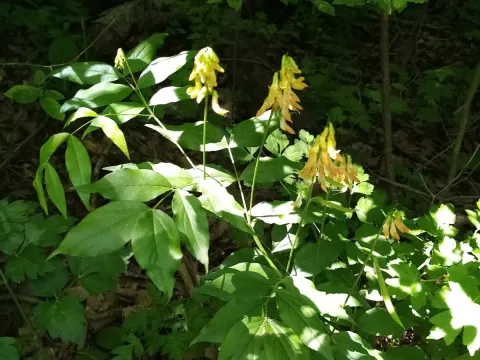
Golden pea
Lathyrus aureus
Golden pea (Lathyrus aureus) is a perennial herbaceous plant belonging to the Fabaceae family, prized for its ability to fix nitrogen and provide high-quality biomass.
What the section contains
Golden pea
The optimal sowing time is during the early spring once the soil temperature consistently reaches 8-10 degrees Celsius, ensuring favorable conditions for germination.
Sowing should be performed at a depth of 3 to 4 centimeters in well-prepared, friable soil to encourage rapid establishment of the root system and primary shoots.
Row spacing is typically set between 15 and 20 centimeters, which allows for mechanical weed control and ensures adequate space for each plant to mature fully.
Proper seed preparation, including inoculation with specific rhizobia, significantly enhances the plant's ability to fix atmospheric nitrogen during the growing season.
Lathyrus aureus performs best in fertile, well-drained loam or sandy loam soils that possess a neutral or slightly alkaline pH for optimal nutrient availability.
The plant requires a moderate amount of moisture throughout its vegetative phase but is sensitive to waterlogging, which can cause root decay in heavy, compacted soils.
Adequate sunlight is essential for vigorous growth, although the plant displays some tolerance to partial shade, making it adaptable to different planting environments.
Fertilization regimes should prioritize phosphorus and potassium, which are critical for root health, biomass accumulation, and the production of healthy, viable seeds.
While hardy, the plant benefits from protection against extreme summer heat through mulching or by ensuring the soil retains enough moisture during the peak growing months.
Fungal diseases such as powdery mildew, leaf spot, and rust are the primary threats, often exacerbated by high humidity levels and poor air circulation within the canopy.
Pests like nodule weevils can significantly damage the root nodules, impacting the plant's nitrogen-fixing capacity and overall vigor during the early growth stages.
Aphids and various leaf-feeding insects pose a recurring challenge by damaging tender foliage and acting as vectors for systemic viral diseases that stunt growth.
Root rot, driven by soil-borne pathogens, can cause localized plant death, particularly in areas where water drainage is insufficient or soil structure is poor.
Integrated pest management strategies, including crop rotation and the use of resistant varieties, are essential to maintain the health and productivity of the stand.
Harvesting for forage should occur at the peak flowering stage to maximize the protein content and overall nutritional value of the harvested biomass.
For seed production, harvesting is timed when the pods turn dark and the seeds harden, taking care to avoid shattering, which is a common issue in this species.
A two-stage harvesting process is recommended, involving cutting the crop into swaths to dry before threshing, which reduces mechanical damage to the seeds.
Post-harvest handling must include thorough cleaning and drying of the seeds to a moisture content of 12-14% to ensure long-term viability and storage stability.
Storage should be in cool, dry conditions with adequate ventilation to protect the seeds from moisture-related fungal growth and potential storage pests.