
Goodia
Goodia
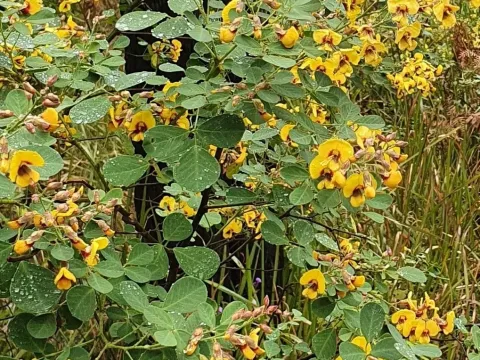
Goodia is a genus of shrubs belonging to the Fabaceae family, native to Australia. These plants are known for their resilience and ability to thrive in various habitats ranging from coastal forests to mountain regions.
What the section contains

Goodia
The botanical structure of Goodia includes simple or trifoliate leaves and vibrant yellow flowers. As a legume, it contributes to soil nitrogen levels through its symbiotic relationship with nitrogen-fixing bacteria, making it a valuable plant for soil health.
Regarding soil requirements, Goodia thrives in well-drained, acidic to neutral soils. It is highly intolerant of waterlogged conditions, which can lead to rapid root decay, so selecting a location with excellent drainage is paramount.
The plant prefers full sun exposure to maintain its compact shape and ensure prolific flowering. In regions with intense midday heat, light afternoon shade can be beneficial, but excessive darkness leads to leggy growth.
Climate adaptation is a key feature of the genus. It is generally hardy in temperate climates, tolerating light frosts once established, but it requires protection from severe frost or extreme wind exposure to avoid damage to the canopy.
The primary threats to Goodia include fungal infections, particularly root rot, which typically occur in poorly drained soils. Managing soil moisture is the most effective preventative measure against these pathogens.
Pests such as aphids and spider mites can pose a significant threat during periods of active growth. These insects sap the plant's vitality and may cause yellowing or curling of the foliage.
Powdery mildew is another concern, often appearing when humidity levels are high and air circulation is limited. Ensuring proper spacing between plants is an effective way to reduce the risk of this fungal issue.
Weed competition can be detrimental to young Goodia plants, as they may struggle to establish themselves in overcrowded areas. Regular mulching and hand-weeding help create a clean environment for development.
- Regular inspection for signs of chlorosis.
- Avoidance of over-fertilization with high nitrogen sources.
- Monitoring for insect colonies in early spring.
- Pruning damaged or dead branches to prevent decay spread.