
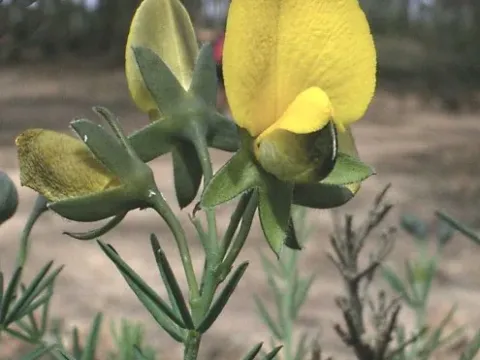
Gompholobium
Gompholobium
Gompholobium is a genus of flowering plants in the legume family, Fabaceae, native primarily to the Australian continent. These perennial shrubs are highly specialized, having evolved to thrive in nutrient-poor environments with specific soil structures that are common across the Australian landscape.
What the section contains


Gompholobium
Agronomically, the crop requires exceptionally well-drained, sandy or gravelly soils. The plants are extremely sensitive to phosphorus levels in the substrate; therefore, using standard high-phosphorus fertilizers can be toxic to the root system and should be strictly avoided in any management plan.
Climate requirements include a preference for mild, frost-free environments with high solar intensity. Gompholobium performs best in full sun, which supports the energy-demanding flowering phase and ensures the plant maintains its structural integrity and dense foliage habit.
Water management is critical during the initial establishment phase. Once mature, these plants exhibit significant drought tolerance due to deep root systems, but during the growing season, a consistent, light irrigation schedule is required to maintain plant vigor without waterlogging.
In containerized cultivation, it is essential to use a specialized potting mix designed for native Australian plants. These mixes are typically low in organic matter and possess an acidic to neutral pH, which is ideal for nutrient uptake in this particular genus.
The primary biotic threats to Gompholobium are soil-borne pathogens, specifically Phytophthora species. These fungi thrive in wet, poorly aerated soil conditions and can cause rapid root decay, often resulting in total crop loss if drainage is not properly managed.
Insect pests, such as aphids, are frequently observed on new, succulent growth. These pests extract nutrients from the plant and excrete honeydew, which serves as a substrate for sooty mold, further hindering the photosynthetic capacity of the foliage.
Spider mites represent a significant challenge in controlled environments or greenhouses where humidity is low. These arachnids colonize the leaf surface, causing stippling and eventual chlorosis, which significantly diminishes the aesthetic and physiological health of the plant.
Nutrient toxicity, particularly from excessive chemical fertilizers, acts as an abiotic threat. It manifests as severe chlorosis or leaf tip necrosis, which is often mistaken for a pathogen attack, but in reality, it is a response to the plant’s inability to process high levels of phosphorus.
Integrated pest management strategies should focus on maintaining optimal aeration and humidity levels to discourage fungal growth. Regular pruning of dead or diseased biomass is recommended to improve air circulation within the canopy and reduce the likelihood of pest infestation.