
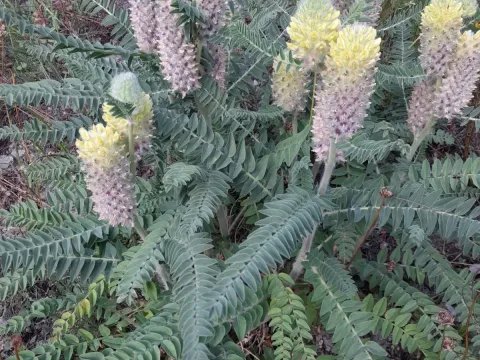
Astragalus alopecurus
Astragalus alopecurus
Astragalus alopecurus belongs to the Fabaceae family and is recognized as a valuable perennial crop for agricultural use. It is highly regarded for its deep root system, which allows it to thrive in diverse environmental conditions.
What the section contains
Astragalus alopecurus
The optimal sowing period is during the early spring, ensuring the seeds take advantage of accumulated soil moisture. Autumn planting is also a viable option in specific climates to enhance early spring emergence.
Seeds require scarification before sowing to ensure uniform germination, as they possess a hard outer coat. The recommended planting depth is between 1.5 and 3 centimeters, depending on the soil structure.
This crop is known for its extreme cold hardiness and drought tolerance, making it an excellent choice for regions with challenging weather patterns. Its resilience contributes to stable biomass production over several years.
The primary agricultural use of this plant is for forage production, including high-quality hay and grazing. It acts as an effective nitrogen-fixing plant, improving soil health naturally.
Astragalus alopecurus thrives in well-drained fertile soils, specifically chernozems, with neutral to slightly alkaline pH levels. It does not tolerate waterlogging, so proper soil drainage is essential for successful growth.
The plant requires full sun exposure to achieve maximum productivity. Shade negatively affects its growth rate and can reduce the overall quality of the forage mass.
While tolerant to dry spells, the crop responds well to moderate rainfall during its active growth phases. Consistent thermal conditions in the range of 18–25 degrees Celsius promote vigorous development.
Agricultural management should focus on weed control, especially during the establishment year when growth is relatively slow. Applying phosphorus fertilizers can significantly benefit root development and biomass yield.
The crop serves as an excellent rotation partner because it leaves behind rich organic nitrogen, boosting the productivity of subsequent grain crops. It significantly improves soil structure over time.
The crop is susceptible to fungal diseases such as powdery mildew, especially in high-humidity areas. Proper field management and spacing are the primary methods for disease prevention.
Pests like weevils can damage roots and young shoots, potentially impacting the stand density. Integrated pest management strategies should be employed if infestation levels exceed economic thresholds.
Aphid attacks can occur during hot and dry spells, requiring careful monitoring to prevent stress on the plants. Maintaining a healthy stand is the best defense against minor pest outbreaks.
Mechanical damage from overgrazing or heavy machinery can lead to weed encroachment and stand thinning. Proper grazing management is crucial for the longevity of the pasture.
Preventing soil compaction and ensuring good drainage are key to avoiding root-related ailments. Following standardized agronomic practices helps maintain high yields for multiple seasons.