
Astragalus adsurgens
Astragalus adsurgens
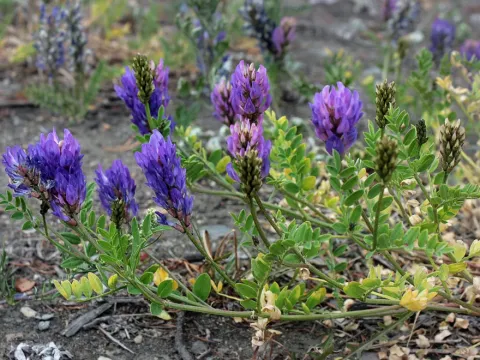
Astragalus adsurgens is a perennial herbaceous plant belonging to the Fabaceae family. It is recognized for its significant role as a high-quality forage crop and its exceptional winter hardiness.
What the section contains
Astragalus adsurgens
The optimal sowing time is early spring, immediately after the soil reaches its physical maturity. Late autumn seeding is also possible, allowing the seeds to undergo natural stratification for improved spring emergence.
The standard seeding rate is approximately 10–12 kg per hectare using row seeding methods. Seeds should be planted at a shallow depth of 1–2 cm to ensure high germination energy and quick emergence.
Proper soil preparation is essential; the field must be well-leveled and free from weed pressure. Seed scarification is recommended to break dormancy and ensure a uniform stand establishment.
As a nitrogen-fixing legume, it establishes a symbiotic relationship with beneficial soil bacteria, contributing to long-term soil health improvement and reduced nitrogen fertilizer requirements.
The plant exhibits high adaptability to various climatic conditions, being particularly noted for its drought tolerance and resistance to severe winter temperatures. It prefers open, sunlit field conditions.
It thrives on fertile chernozem soils and well-drained loams. The plant is sensitive to waterlogging, so fields with poor drainage or high groundwater tables are not recommended for cultivation.
An optimal soil pH ranges from 6.0 to 7.5. In acidic environments, liming is necessary to ensure the proper development of root nodules and overall plant vigor.
Growth in the first year is typically slow, requiring diligent weed management to prevent competition. Once established in the second year, the crop develops a robust root system and dense foliage.
It serves as an excellent component for mixed forage stands, improving the nutritional value of the harvest when integrated with various types of grasses.
The annual yield of green mass ranges from 20 to 35 tons per hectare, depending on local environmental factors and the level of management. Favorable conditions can significantly increase these yields.
Hay production generally yields between 5 and 8 tons per hectare. The crop is highly valued for its protein content, balanced amino acid profile, and overall digestibility for livestock.
Plantation productivity peaks between the third and fifth years of growth. After this period, gradual thinning of the stand may occur, indicating the need for potential reseeding of the area.
Seed production reaches approximately 300–600 kg per hectare. Proper application of phosphorus and potassium fertilizers is crucial for sustaining high seed yields across multiple seasons.
Strategic fertilization supports not only biomass production but also the leaf-to-stem ratio, which is a critical factor in determining the quality of the fodder produced.
Astragalus adsurgens is generally robust, showing strong natural resistance to many common legume diseases. However, excessive humidity may occasionally lead to issues such as powdery mildew.
Insect pests, such as nodule weevils and aphids, may occasionally target the crop. Regular field monitoring is necessary to determine if intervention is needed to protect the plant's foliage.
Effective preventive measures include maintaining a healthy crop rotation and ensuring adequate soil aeration. Avoiding over-irrigation prevents root-related pathogens and soil compaction.
Integrated pest management strategies are encouraged to maintain ecological balance. Chemical applications should only be used as a last resort and strictly adhere to safety intervals before harvesting.
Biological monitoring ensures that the stand remains healthy and productive for its intended multi-year lifespan, reducing the need for intensive chemical input.
For high-quality hay production, the crop should be harvested at the peak of the flowering stage. This phase ensures the highest concentration of essential nutrients and protein content.
Seed harvesting should be timed when approximately 70–80% of the pods turn brown. Timely collection is vital to prevent yield losses caused by pod shattering and seed dispersal.
Proper hay drying and storage in well-ventilated areas are essential to prevent moisture-related spoilage. The crop maintains its nutritional integrity well if managed correctly during the curing process.
Regrowth after the first harvest is typically vigorous, allowing for multiple cuts per season provided there is adequate moisture and soil fertility to support the plant's recovery.
Modern harvesting equipment, when adjusted properly, helps to reduce mechanical losses of leaves, ensuring that the final harvested forage is of premium quality for animal feed.