
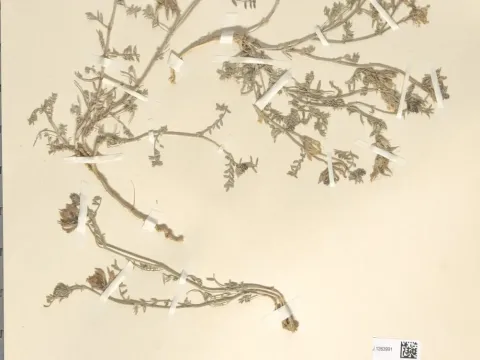
Astragalus algerianus
Astragalus algerianus
Astragalus algerianus is a perennial herb belonging to the Fabaceae family, adapted to survive in extreme desert environments where water scarcity is the primary limiting factor for growth.
What the section contains
Astragalus algerianus
The seeding period typically follows the start of the rainy season, allowing the plant to establish its deep taproot system before the peak of the heat and drought stress occur.
Seeds of this species feature a tough, impermeable coat, requiring mechanical or chemical scarification to break dormancy and ensure uniform germination in field conditions.
Seeding is performed at a shallow depth of 1.5 to 2 centimeters, which allows the embryo to utilize minimal moisture in the upper soil profile to initiate development.
Standard row planting is the preferred method, providing enough space between individuals to reduce competition for nutrients in poor, sandy soil conditions.
The plant demonstrates remarkable tolerance to saline soils and high temperatures, making it an ideal candidate for restoring degraded lands in Northern African climates.
Astragalus algerianus thrives in well-drained, sandy or gravelly soils with a neutral to slightly alkaline pH, where the risk of waterlogging is effectively eliminated.
It is a highly heliophilous species, requiring full sun exposure throughout the growing season to maintain its metabolic activity and structural integrity.
Minimal soil disturbance is a key aspect of its agronomy, as the species is sensitive to root damage and relies on undisturbed soil structure for optimal moisture regulation.
Fertilization should be handled with caution, focusing on potassium and phosphorus applications to support root development and nitrogen fixation processes.
The primary agricultural use of this plant is as a reliable forage source for livestock, particularly in areas where other pasture species fail to thrive due to drought.
Productivity is highly correlated with seasonal rainfall, yet the plant maintains a high level of nutritional value, providing essential proteins for grazing herbivores.
Beyond its value as fodder, the plant plays a crucial role in soil conservation by stabilizing loose sandy soils and preventing wind erosion in sensitive ecosystems.
Management often involves controlled rotational grazing, which allows the plants to recover after periods of consumption, ensuring long-term field productivity.
In optimal conditions, the plant can produce consistent green biomass, serving as a vital insurance crop for nomadic and semi-nomadic pastoralists in arid regions.
The most significant threats to the health of the crop include root rot pathogens, which are typically triggered by poor drainage and stagnant moisture in the root zone.
Common pests include various coleopteran species and aphids, which may attack the reproductive parts of the plant, potentially compromising seed production cycles.
Powdery mildew may occur during seasons with unusually high humidity, causing chlorosis in leaves and reducing the overall quality of the forage biomass.
Prevention relies heavily on selecting sites with excellent drainage and avoiding over-stocking in pastures to maintain the health of the plant population.
Chemical control measures are generally avoided, as the species is primarily grown in extensive pastoral systems where natural balance is preferred.
Seed harvesting is conducted when the pods reach full maturity and become dry, as delaying the harvest can lead to significant shattering and loss of seeds.
Mechanical harvesting requires precise machinery settings to avoid damaging the small seeds during the threshing process and ensure high purity levels.
Post-harvest handling involves thorough drying in a ventilated, shaded area to prevent fungal growth and maintain high viability for future seasons.
When used for fodder, harvesting occurs before the stems become overly lignified, ensuring that the biomass remains palatable and digestible for livestock.
Adherence to proper harvest timing is essential to balance the need for seed multiplication with the requirement for high-quality animal nutrition.