
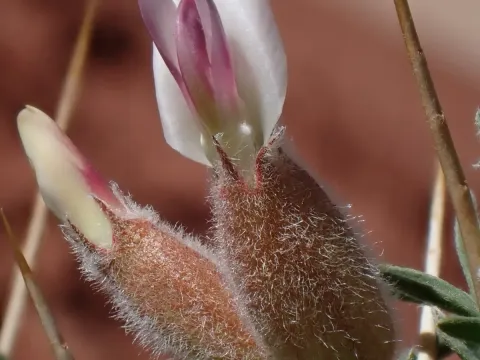
Astragalus armatus
Astragalus armatus
Astragalus armatus is a hardy perennial belonging to the Fabaceae family, widely recognized for its robust nature and capability to thrive in harsh, arid, and stony environments across its native range.
What the section contains
Astragalus armatus
The optimal sowing time is early spring when soil temperatures reach stable levels. Proper seed bed preparation is essential, as the seeds have a hard coat that often requires scarification to ensure uniform and rapid germination.
Seeds should be sown in rows, typically spaced 50 to 60 centimeters apart, allowing sufficient room for the plant's deep taproot system to develop fully during the first growing season.
The plant is gaining attention for its utility in phytoremediation and soil stabilization, as its deep roots help anchor loose, degraded soils against wind and water erosion.
In agricultural settings, Astragalus armatus is managed for its forage quality, particularly in regions where conventional legumes struggle due to lack of rainfall or poor soil fertility.
This species is highly undemanding regarding soil nutrient content, but it is extremely sensitive to waterlogging. Sites with excellent drainage are mandatory to prevent root rot.
Astragalus armatus thrives in full sunlight and prefers light, sandy, or rocky soil textures, which mimic its natural Mediterranean and Middle Eastern habitat conditions.
The crop exhibits exceptional drought and heat tolerance, maintaining its physiological activity even during prolonged periods of moisture stress that would wilt most traditional crops.
The soil pH should ideally be neutral or slightly alkaline. It performs poorly in acidic soils, making it an excellent candidate for regions with calcareous or mineral-rich soils.
During the establishment phase, weed control is critical. As a slow-growing perennial in its early stages, Astragalus armatus requires mechanical or manual weeding to minimize competition.
The primary threats to this crop include fungal infections, specifically root rots associated with stagnant moisture. Ensuring a well-drained field is the most effective preventative measure.
Pests such as weevils (Curculionidae family) represent a significant risk. These insects can damage both the foliage and the root nodules, thereby reducing the plant's nitrogen-fixing capacity.
Aphid outbreaks can occur during hot, dry spells. Monitoring for signs of infestation is necessary to determine if localized insecticidal interventions are required to protect yield.
Maintaining proper plant density is essential; overcrowding increases humidity within the canopy, which promotes the spread of foliar diseases during humid seasons.
Integrated pest management, including crop rotation and the maintenance of soil health, significantly reduces the need for heavy chemical applications throughout the crop cycle.
Harvesting for green fodder should take place at the onset of flowering. This stage provides the best balance between biomass volume and nutritional protein density.
When cutting for hay, it is vital to keep a high stubble height of at least 8–10 centimeters. This practice allows the plant to regenerate quickly and ensures sufficient energy reserves for survival.
Seed harvest requires careful timing; the pods should be collected once they turn brown but before they fully shatter and disperse seeds naturally in the field.
Post-harvest processing involves immediate cleaning and drying of the seeds. Maintaining a moisture level below 14 percent is crucial to ensure long-term viability during storage.
When utilized for grazing, rotational grazing patterns should be strictly enforced to prevent overgrazing, which can severely deplete the plant's root reserves and reduce its longevity.