
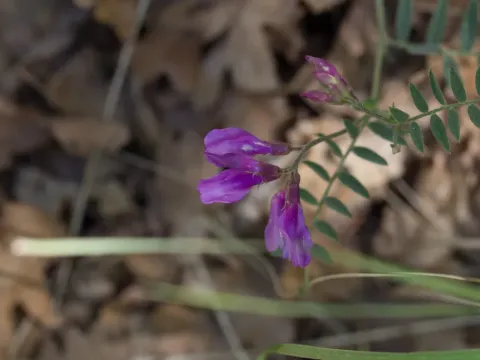
Astragalus allochrous
Astragalus allochrous
Astragalus allochrous is a perennial legume species valued for its exceptional drought tolerance and adaptability to challenging environments. Native to arid regions, it serves as a robust candidate for restoration and forage purposes.
What the section contains
Astragalus allochrous
Sowing should take place in early spring when the soil temperature consistently reaches 8–10 degrees Celsius. Due to the hard coat of the seeds, scarification is a necessary pre-sowing treatment to ensure uniform germination and successful crop establishment.
The optimal seeding depth is shallow, ranging from 1.5 to 2 centimeters. This depth allows for sufficient moisture contact while enabling the seedlings to emerge quickly and establish their photosynthetic capacity.
Initial growth is notably slow, as the plant prioritizes the development of an extensive taproot system. During this establishment phase, maintaining a weed-free field is critical for the long-term success of the stand.
Once the root system is established, the plant exhibits increased vigor and resilience, making it a reliable perennial cover that can survive in nutrient-poor soils where other crops might fail.
Astragalus allochrous thrives in well-drained, sandy or light loamy soils. Good soil aeration is essential, as the plant is highly sensitive to waterlogging, which can rapidly lead to root damage and plant death.
The species is well-adapted to semi-arid climates, preferring areas with high solar radiation and low relative humidity. It requires exposure to full sun throughout the day to maximize biomass production and nitrogen fixation.
For optimal performance, the soil should have a neutral to slightly alkaline pH. If the soil is too acidic, the efficacy of the rhizobia bacteria that assist in nitrogen fixation is significantly reduced, stunting the plant growth.
Inoculation of seeds with specific nitrogen-fixing bacteria is a recommended agronomic practice when introducing the plant to a new site, ensuring that the crop can thrive without heavy nitrogen fertilization.
While tolerant of low fertility, the plant benefits from balanced levels of phosphorus and potassium, which support root longevity and general plant health in the harsh environmental conditions where it is typically grown.
The primary use of Astragalus allochrous is as high-quality forage for livestock, particularly in arid pastures where other crops cannot be sustained. It provides essential protein even during dry summer months.
Biomass yield is highly dependent on seasonal precipitation and management practices. Under favorable conditions, the plant can provide multiple harvests, serving as a reliable source of green manure or fodder.
Nutritional value is high during the vegetative stage, making it a valuable addition to livestock grazing programs. Proper management ensures that the plant recovers well after grazing or mowing, maintaining productivity over many years.
Stands can remain productive for 5 to 7 years. Following this period, crop rotation is suggested to refresh the soil health and break the cycle of potential pathogens or pest buildup.
Increased biomass production can be achieved through light fertilization and proper grazing rotation, which encourages the plant to maintain its energy reserves in the roots, facilitating rapid regrowth.
The main threats to this crop include root rot diseases, which are usually triggered by poor drainage or excessive soil moisture. These diseases can be particularly damaging to young, establishing stands.
Insect pests, such as various weevil species, often target the flowering parts and seeds. This can significantly reduce seed yields, necessitating regular field monitoring and, if required, targeted pest management.
Defoliating insects can also reduce plant vigor during periods of rapid growth. Maintaining field health and biodiversity around the crop site helps in managing pest populations naturally.
Powdery mildew may occur in areas with poor air circulation or high humidity. Proper stand density and field management are the most effective preventive measures against such fungal issues.
- Monitor for root rot signs
- Manage seed-eating weevils
- Maintain soil drainage
- Practice crop rotation
Forage harvesting should occur at the late bud to early flowering stage to capture the peak nutritional density of the plant. This ensures the best balance of protein and digestibility for livestock.
Seed harvest requires careful timing when the pods turn brown and dry. Since pods can shatter, harvesting should be performed efficiently to minimize losses, often involving a two-stage process of swathing and pickup.
Mowing height is a critical factor for regrowth. Cutting at approximately 8–10 centimeters above the ground protects the plant's crown and promotes quick recovery for subsequent growth cycles within the season.
Post-harvest, seeds must be cleaned and dried to a moisture content below 12% for safe storage. Dry conditions are essential to maintain germination potential and prevent fungal growth during storage.
Efficient handling during harvest ensures that the stand remains healthy for future seasons. Avoiding excessive traffic over the field during harvest prevents soil compaction and root damage.