
Astragalus asper
Astragalus asper
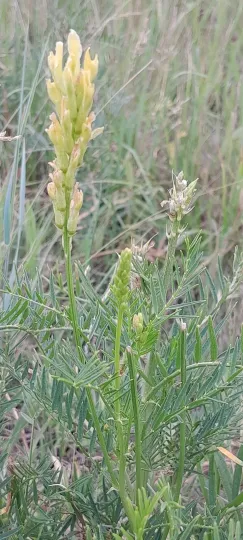
Description
Sowing dates
Astragalus asper, commonly known as the rough milkvetch, is a perennial legume species highly valued for its ability to thrive in challenging environments and provide nutritious forage.
Sowing should ideally occur in early spring when soil temperatures stabilize, allowing the seeds to benefit from early-season moisture for consistent germination.
The standard seeding rate is generally between 12 to 16 kilograms per hectare, depending on the desired plant density and the specific quality of the agricultural soil.
It is recommended to use a row spacing of 15–20 cm to ensure sufficient light penetration and airflow, which is critical for the healthy development of young plants.
Prior to planting, seeds should undergo scarification to improve water absorption, as the hard seed coat can otherwise delay or inhibit germination in field conditions.
Growing requirements
This crop is recognized for its extreme drought resistance and winter hardiness, making it an excellent choice for regions with semi-arid climates and harsh seasonal shifts.
Astragalus asper prefers sunny locations and performs poorly under shade, which can limit photosynthetic activity and significantly reduce total biomass production.
Well-drained soils, such as loamy or sandy chernozems with a neutral to slightly alkaline pH, provide the ideal environment for its root system to penetrate deeply.
The plant is highly sensitive to waterlogging; therefore, avoiding low-lying areas or heavy clay soils prone to compaction is essential for preventing root decay.
Adequate levels of phosphorus and potassium are necessary to support the nitrogen-fixing processes that distinguish this legume from non-leguminous pasture grasses.
Yield
The biomass yield of Astragalus asper can reach 20–30 tons per hectare under optimal conditions, providing a steady and reliable source of forage for livestock.
Being a perennial crop, it allows for multiple harvests per season and maintains high productivity for up to several years if managed with appropriate agronomic practices.
Its nutritional value remains high even into the flowering stage, making it an ideal candidate for hay production that supports balanced animal nutrition in winter.
Seed production is generally stable, enabling farmers to cultivate their own planting material and reduce long-term operational costs associated with forage establishment.
By contributing to soil nitrogen levels, Astragalus asper improves the overall nutrient profile of the field, benefiting subsequent crops in the agricultural rotation.
Main diseases and pests
While relatively robust, the plant can be susceptible to powdery mildew and various leaf spot diseases, particularly in humid or stagnant air conditions.
Insects like weevils can cause significant damage during the flowering period by attacking the reproductive organs, which is a major concern for seed growers.
Weed management during the establishment phase is critical, as the species has a relatively slow growth rate initially and can be outcompeted by aggressive weeds.
Regular field scouting is recommended to identify early signs of pest pressure, allowing for timely and localized intervention rather than widespread chemical use.
- Adhere to crop rotation strategies.
- Utilize balanced fertilization programs.
- Monitor for pest outbreaks regularly.
- Maintain proper field sanitation.
Harvesting
Harvesting for forage should be timed during the early flowering phase to maximize the protein content and overall energy density of the harvested biomass.
For high-quality hay, the use of conditioning equipment is recommended to promote uniform drying and prevent the loss of nutrient-rich leaves during handling.
Seed harvesting requires careful timing, targeting the stage when the pods are fully mature but before they naturally shatter and cause significant field loss.
Mechanical harvesting equipment should be calibrated to minimize seed damage during threshing, as cracked or broken seeds will lose their viability rapidly.
Post-harvest storage should be in clean, dry facilities to maintain the quality of the seeds and prevent mold growth, ensuring high germination rates for future planting.