
Astragalus balansae
Astragalus balansae
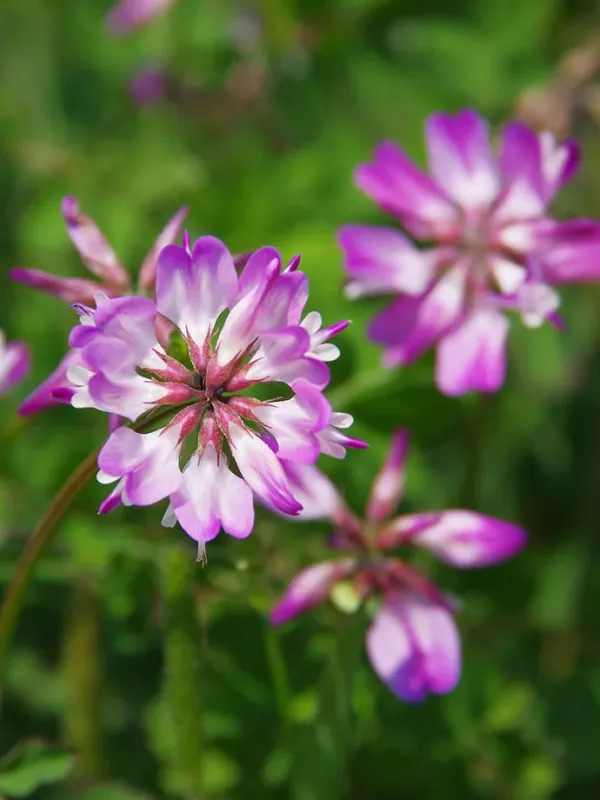
Description
Growing requirements
Astragalus balansae is a perennial herbaceous plant belonging to the Fabaceae (legume) family. Native to mountain ecosystems, it exhibits significant resilience to environmental stressors, making it a candidate for sustainable agriculture in specific climate zones.
The plant is characterized by a deep taproot system, which serves as a vital adaptation for accessing moisture in arid or rocky soil conditions. Its foliage is pinnately compound, contributing to a substantial biomass yield during the peak growing season.
Requirements for successful cultivation include well-drained soils and high sunlight exposure. Astragalus balansae prefers neutral to slightly alkaline pH levels and is notably adapted to regions where soil fertility may be challenged, thanks to its nitrogen-fixing capabilities.
In addition to its role as a forage crop, this species serves an ecological function. Through its symbiotic relationship with rhizobia, it contributes to soil nitrogen enrichment, which promotes a healthier ecosystem for subsequent crops in a rotation.
The main agricultural utility lies in forage production. Its high protein content and mineral density make it an excellent choice for improving the nutritional profile of livestock diets, especially when integrated into managed grazing programs or harvested as high-quality hay.
Main diseases and pests
Like many members of the genus Astragalus, this species can be susceptible to root rot, particularly in compacted or poorly drained soils. Managing moisture levels and selecting appropriate sites are the most effective preventive measures against these pathogens.
Foliar diseases such as powdery mildew can occasionally affect plant vigor during periods of high humidity and poor ventilation. Proper spacing and timely harvesting assist in maintaining a healthy canopy and reducing the risk of fungal spread.
Weevils are recognized as the primary insect threats, potentially damaging the roots and reducing the plant's symbiotic efficiency. Integrated pest management strategies, focusing on early detection, are essential to maintain field health.
Aphids may cause physiological stress to young growth, impacting the overall yield. Utilizing natural enemies or targeted biological control agents is recommended to protect the crop without disrupting the beneficial soil microbiota required for nitrogen fixation.
Crop rotation remains the cornerstone of disease management. By avoiding continuous monoculture, farmers can prevent the accumulation of soil-borne pathogens and maintain the long-term productivity of Astragalus balansae stands.