
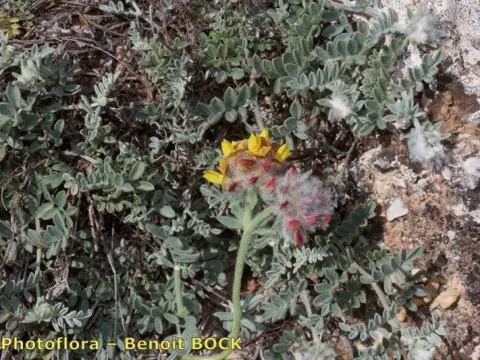
Anthyllis tejedensis
Anthyllis tejedensis
Anthyllis tejedensis is a distinct species of perennial herb belonging to the Fabaceae (legume) family. Its botanical characteristics allow it to thrive in rugged, mountainous terrains, particularly within its native range in Spain.
What the section contains
Anthyllis tejedensis
The plant is highly adapted to calcareous soils with high mineral content but low organic matter. Its deep taproot system is essential for survival in dry, rocky environments, showcasing its potential as a stabilizing crop for erosion control.
Regarding climate requirements, this species favors Mediterranean conditions with high solar radiation. It is remarkably resilient to drought but strictly requires well-drained soil, as root asphyxiation is a significant risk factor in waterlogged environments.
The agronomic value of this crop is rooted in its nitrogen-fixing capabilities, which makes it a subject of interest for sustainable soil improvement programs. It acts as a natural soil amendment, enriching the substrate for secondary plantings.
Cultivation practices involve selecting sites with optimal exposure and minimal competition from aggressive weeds. The plant demonstrates slow establishment, necessitating careful site preparation before sowing to ensure long-term viability.
The primary threats to Anthyllis tejedensis include fungal pathogens, particularly those responsible for root rot during rainy or poorly drained seasons. Maintaining soil health is the primary defense strategy against these outbreaks.
Powdery mildew is a recurring challenge for the foliage, especially in climates with high humidity or poor airflow. Regular inspection and adequate spacing between individual plants help in managing this fungal issue effectively.
Insects, particularly various species of weevils, pose a risk to seed development. These pests can significantly reduce the yield of viable seeds, necessitating integrated pest management strategies if the crop is being cultivated for multiplication.
Aphid infestations can occur, targeting the succulent parts of the plant during the early growth stages. Biological control measures are often preferred to preserve the local ecological balance of the plant's native habitat.
Weed competition remains a critical factor during the germination and seedling phases. Due to the species' slow development, mechanical weeding is essential until the plants reach a size that allows them to suppress competing vegetation.