
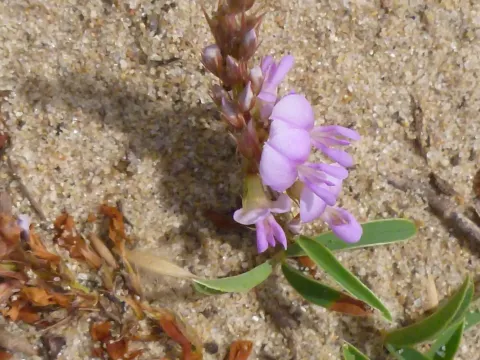
Aphyllodium
Aphyllodium
Aphyllodium is a genus of perennial plants in the Fabaceae family, notable for their unique physiological adaptation. Instead of standard leaves, these plants utilize flattened stems known as cladodes for photosynthesis, which helps them minimize water loss in arid environments.
What the section contains

Aphyllodium
The genus originates from tropical and subtropical regions of Asia and Australia. It is increasingly studied as a viable candidate for sustainable pasture development in regions where conventional forage species struggle to maintain productivity due to extreme heat.
Successful sowing requires warm soil temperatures, ideally exceeding +22°C. The seeds should be planted at a shallow depth of 2–3 cm, ensuring they remain in contact with moisture for germination while benefiting from the high light intensity necessary for early development.
Spacing is a critical factor for yield optimization. In field conditions, row sowing is preferred to ensure proper aeration and light penetration to the base of the plant, reducing the risk of fungal infections that thrive in stagnant, humid environments.
As a nitrogen-fixing legume, Aphyllodium contributes to soil health by forming symbiotic relationships with rhizobia. This biological trait makes it an excellent choice for improving depleted soils in tropical farming systems and diversifying forage quality.
Aphyllodium thrives in full sunlight and is highly sensitive to shading. It performs best on well-drained sandy or loamy soils where the risk of waterlogging is minimal. Excessive soil moisture can cause root decay, which is the primary failure point in its cultivation.
The ideal pH range for Aphyllodium is 6.0 to 7.0. While the plant is quite tolerant of nutrient-poor soils, it shows a significant response to phosphorous supplementation, which is vital for vigorous root growth and optimal nitrogen fixation efficiency.
Climatic requirements focus on warmth; the plant exhibits a clear preference for temperatures between +25°C and +32°C. It is not cold-hardy, and even minor frost can cause irreversible damage to the sensitive photosynthetic cladodes.
The species is highly valued for its drought tolerance. Its deep root architecture allows it to access subsoil moisture, enabling the plant to stay green and nutritious even during long dry spells that would typically cause other legumes to wilt.
For best results, growers should select sites with excellent solar exposure and high slope angles to ensure quick drainage. The soil structure should be loose, allowing for unimpeded root penetration, which further strengthens the plant's overall resilience.
Pathogen threats primarily include anthracnose and leaf spots, which are driven by periods of high humidity and poor field hygiene. Effective management requires crop rotation and the removal of organic debris that could harbor spores through the off-season.
Pest pressures are often linked to local insects such as weevils or specific larvae that bore into the succulent cladodes. Regular field scouting is necessary to identify these pests before they cause systemic damage to the plant population.
Biological control agents are recommended to maintain a balance between the crop and beneficial insects. If chemical intervention is required, selective insecticides should be used to avoid harming the pollinator populations often found in legume fields.
Weed management is vital during the establishment phase. Since the plant starts relatively slowly, it can be outcompeted by aggressive grasses. Pre-emergent control and mechanical weeding between rows are highly recommended for the first weeks of growth.
Farmers should also maintain a buffer zone between Aphyllodium plots and wild legume stands. This practice reduces the risk of cross-contamination by pests and pathogens, ensuring the health and uniformity of the cultivated stands throughout the growing season.