
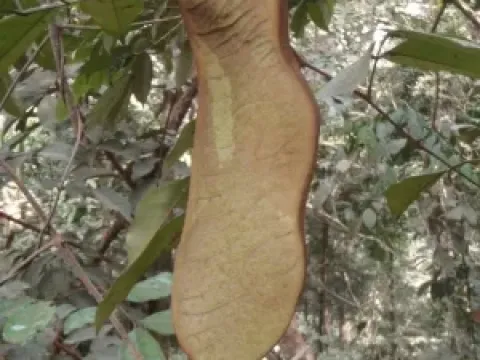
Anthonotha
Anthonotha
Anthonotha is a genus of evergreen trees and shrubs belonging to the legume family, Fabaceae. These plants are native to the tropical forests of West and Central Africa, where they play a vital role in forest structure.
What the section contains

Anthonotha
The culture thrives in a tropical climate characterized by consistently high temperatures and significant rainfall throughout the year. It does not tolerate prolonged drought or frost.
Soil requirements for Anthonotha include deep, fertile, and well-drained substrates. Loamy soils rich in organic matter are ideal for supporting the tree's extensive root system.
As a legume, it contributes to soil nitrogen enrichment. This biological trait makes Anthonotha a valuable component in agroforestry systems for improving soil fertility and structure.
Morphologically, the plant features pinnate leaves and distinctive inflorescences. Its growth habit is typically arborescent, reaching significant heights in undisturbed forest environments.
The primary economic value of Anthonotha lies in its timber production. The wood is prized for its durability, hardness, and resistance to decay, making it suitable for high-quality construction.
In traditional practices, specific parts of the plant are utilized for their medicinal properties. Research continues into the secondary metabolites found in its bark and leaves.
Within agricultural systems, Anthonotha is often integrated as a shade tree for sensitive crops. This practice helps maintain a stable microclimate and protects crops from direct sunlight.
Biomass production is steady, though growth rates can be influenced by local density and environmental conditions. Proper management ensures sustainable harvesting cycles.
By providing habitat and food for diverse fauna, the tree supports ecological productivity, indirectly benefiting the overall yield of integrated agro-ecosystems.
Fungal pathogens represent the most significant threat to the health of Anthonotha, particularly when growing in waterlogged conditions. Root rot can severely impact the tree's vitality.
Pests such as stem-boring insects and foliage-eating caterpillars can cause substantial damage to younger trees, hindering their successful establishment.
Deforestation and habitat loss are major threats to the population stability of wild Anthonotha species, reducing their overall genetic diversity.
Improper soil management that leads to compaction can stifle the development of beneficial symbiotic bacteria on the roots, reducing nitrogen fixation capacity.
- Implement proper forest thinning techniques.
- Avoid site waterlogging by installing drainage.
- Regular monitoring for signs of localized pest infestations.