
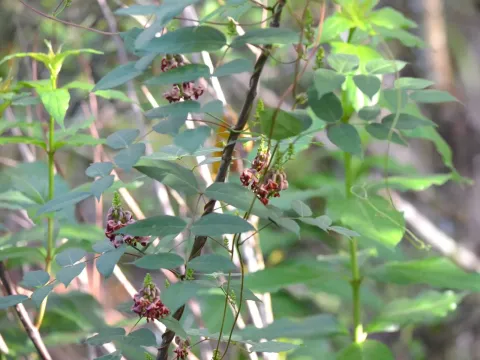
Apios americana
Apios
Apios americana, commonly known as the groundnut or potato bean, is a perennial vine belonging to the Fabaceae family. Planting is best initiated in early spring once the soil temperature consistently reaches 10-12 degrees Celsius.
What the section contains


Apios americana
Select a location with loose, well-draining soil to ensure the tubers develop properly. Plant individual tubers at a depth of 5-8 centimeters, maintaining a spacing of at least 30-40 centimeters between plants.
Since the plant is a vigorous climber, providing a trellis system is essential. Supporting the vines prevents matting, improves air circulation, and significantly boosts the plant's overall photosynthetic efficiency.
While seed propagation is possible, vegetative propagation using tubers is the standard agricultural method, ensuring uniform plant characteristics and a quicker return on the initial investment.
Prepare the site by removing perennial weeds beforehand, as the young shoots can be slow to establish and susceptible to competition during the early stages of growth.
The plant thrives in light, sandy loam soils with a slightly acidic to neutral pH level. Heavy clay soils should be amended with organic matter to improve aeration and prevent waterlogging.
Adequate moisture is critical throughout the growing season, particularly during the tuber initiation phase. Irrigation should be consistent, but standing water must be avoided to prevent rot.
This crop requires a long, warm growing season to produce a substantial harvest. In cooler climates, providing southern exposure or using mulching techniques can help warm the soil.
As a legume, it has a symbiotic relationship with nitrogen-fixing bacteria, reducing the need for intensive nitrogen fertilization. A balanced compost application is usually sufficient for optimal development.
Mulching with straw or wood chips helps maintain soil moisture levels and keeps the roots cool during peak summer heat, which is vital for the development of quality tubers.
Yields from Apios americana improve as the patch matures. First-year harvests are generally modest; higher productivity is achieved from the second or third year onwards.
The edible tubers are produced in chains along the stolons. A mature, healthy plant can yield between 0.5 and 1.5 kilograms of tubers, which are highly prized for their protein and starch content.
Nutritionally, the potato bean is superior to many root vegetables due to its high protein levels, often containing up to 15% protein by weight, making it a valuable specialty crop.
Pruning or tipping the vines in late summer can help redirect energy towards tuber development, potentially increasing both the size and the weight of the harvestable crop.
Market interest in this crop is increasing as consumers seek out nutrient-dense, perennial vegetable alternatives that can thrive on marginal lands with minimal chemical input.
The plant is relatively hardy, but it can be susceptible to fungal root rot if the soil remains excessively wet for long durations. Proper site drainage is the primary defense.
Aphids may occasionally infest the foliage, particularly during dry spells. Biological controls or gentle horticultural soaps are usually sufficient to manage these populations without damaging the plant.
Root-knot nematodes can pose a threat in infested soils. Practicing a long-term crop rotation strategy and ensuring clean planting material are essential preventive measures.
Slugs and snails can cause damage to young shoots in early spring. Installing simple physical barriers or using non-toxic baits can effectively protect the plants during their most vulnerable stage.
Regular monitoring and prompt removal of dead or diseased foliage can significantly reduce the risk of pathogen spread within a cultivated patch.
Harvesting is typically carried out in late autumn once the foliage has naturally yellowed and died back. This allows the plant to transfer all available energy to the storage tubers.
Use a garden fork to carefully lift the tubers from the ground, ensuring the stolon chains remain intact as much as possible to prevent physical damage.
After cleaning off excess soil, tubers should be cured in a cool, dark, and well-ventilated area for a few days before being stored in sand or peat to prevent desiccation.
For long-term storage, keep the tubers at a temperature range of 0-2 degrees Celsius. Stored properly, they retain their culinary quality for several months through the winter.
In regions with mild winters, tubers can be left in the soil until needed, provided the patch is protected from burrowing animals such as voles or mice.