
Apuleia
Apuleia
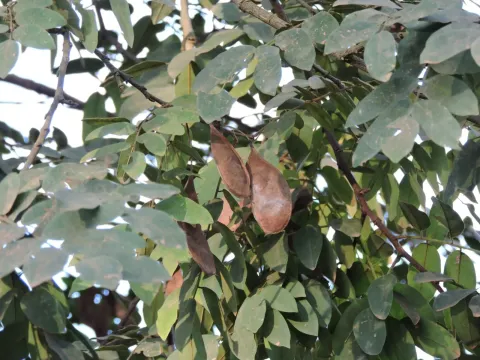
Apuleia is a genus of tropical trees within the Fabaceae family, best recognized for the species Apuleia leiocarpa, commonly referred to as Grapia. These trees are native to the diverse rainforests of South America.
What the section contains

Apuleia
The culture thrives in tropical environments that provide deep, fertile soils with excellent drainage properties. It requires consistent warmth and significant rainfall to maintain healthy growth cycles throughout the year.
Botanically, Apuleia is characterized by its significant height, often reaching 30 meters, and its ability to develop dense, high-quality heartwood. The foliage is typically pinnately compound, common for many legumes.
Ecologically, the genus plays a vital role in tropical forests by contributing to soil enrichment via nitrogen fixation. Its rapid development phase makes it a subject of interest for sustainable forest management.
Industrially, the timber produced by Apuleia is highly prized for its durability and resistance to rot, making it an excellent choice for luxury furniture, decking, and heavy structural applications.
Apuleia populations face various fungal diseases that thrive in the dense, humid environment of tropical rainforests, potentially causing trunk rot in older specimens.
Stem-boring insects are identified as a primary pest, causing significant structural damage to the wood and reducing the overall commercial value of the harvestable logs.
Deforestation and habitat loss represent the most severe threats to the species' long-term survival in its native South American range, hindering natural regeneration.
Competition from aggressive vine species and invasive flora in managed forest zones can limit the development of young Apuleia saplings if left unmanaged.
Effective management strategies include the implementation of rigorous phytosanitary controls and the promotion of biodiversity within plantation sites to minimize pest impact.