
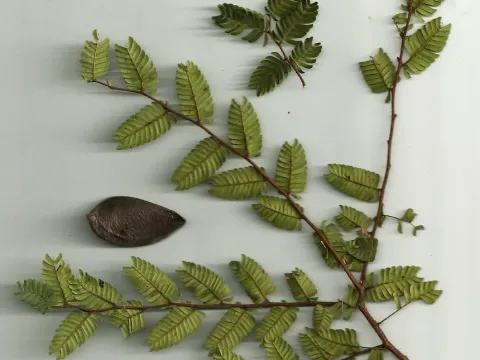
Aphanocalyx
Aphanocalyx
Aphanocalyx is a genus of flowering plants in the legume family, Fabaceae. These trees are native to the tropical rainforest regions of Central Africa, where they contribute to the biodiversity of the ecosystem.
What the section contains
Aphanocalyx
The cultivation of Aphanocalyx requires a stable tropical climate characterized by consistently high humidity and temperatures. The species is not tolerant of frost or significant temperature fluctuations, which can severely impact growth rates.
Regarding soil requirements, these trees thrive in deep, nutrient-rich, and well-drained soils. Proper soil aeration is essential for root development, as the species is sensitive to waterlogged conditions often found in heavy clay soils.
Botanically, Aphanocalyx species are known for their sturdy structure and dense wood. They act as canopy trees, meaning they prefer high light exposure once they have reached their development phase in the forest structure.
In terms of хозяйственное usage, the primary value lies in its high-quality timber. The wood is sought after for carpentry, flooring, and fine woodworking due to its durability, attractive grain, and resistance to environmental stress.
Fungal diseases constitute the primary biological threat to Aphanocalyx, particularly those that thrive in warm and moist environments. Leaf spot and root rot are common issues when environmental conditions are suboptimal.
Insect pests such as wood-boring beetles present a constant risk to the integrity of the wood. These pests penetrate the bark and inner layers, which can compromise the structural strength and overall health of the tree.