
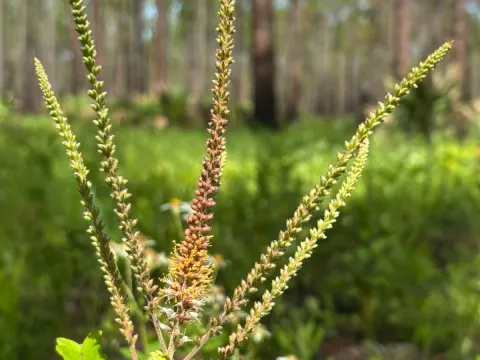
Amorpha herbacea
Amorpha herbacea
Sowing of Amorpha herbacea is best performed in the spring once soil temperatures have consistently risen. Seed stratification for a period of six to eight weeks is crucial for breaking dormancy and ensuring uniform germination.
What the section contains
Amorpha herbacea
Seeds should be planted at a depth of 2 to 3 centimeters in well-prepared, friable soil. A row-seeding method with approximately 50 centimeters between rows is recommended to facilitate future maintenance and weed control.
Early stage seedlings are delicate and require consistent moisture to establish their root systems. Adequate site preparation, including removing all competing perennial weeds, is vital for the success of the planting.
Given the slow initial growth rate, many farmers choose to start the plants in trays or greenhouses before transplanting them into the field during favorable weather conditions.
Proper plant density ensures that each individual plant has sufficient access to nutrients and sunlight, preventing competition within the stand and promoting healthier overall growth.
Amorpha herbacea thrives in sunny locations with well-drained, sandy or loamy soils. It is particularly valued for its exceptional drought tolerance, making it an excellent choice for arid environments.
As a member of the Fabaceae family, this plant functions as a nitrogen-fixing species. This biological trait allows it to thrive in nutrient-poor soils and contribute to the improvement of soil structure over time.
The plant performs best in neutral to slightly acidic pH levels. Excessively wet or waterlogged soil conditions must be avoided, as the roots are susceptible to rotting when exposed to standing water.
Amorpha herbacea requires full sun exposure to achieve its maximum potential. Lack of sunlight results in weaker stems and significantly reduced biomass production.
The plant is known for its hardiness in temperate climates, where it survives winter by retreating into its deep root system. Once established, it requires very little additional intervention.
Harvesting for biomass is typically carried out once the plant reaches peak vegetative development. If the goal is green manure, the crop should be turned into the soil before it begins setting seed.
For seed production, the pods must be harvested when they turn brown but before they naturally shatter. Careful monitoring of pod moisture content is necessary to prevent premature seed loss during mechanical operations.
If cultivated as a nectar source, the flowering period is the primary focus of observation. Honeybee activity should be monitored to correlate the peak nectar flow with harvesting or protection schedules.
Mechanical harvesting equipment should be calibrated to handle the specific height and density of the Amorpha stems to minimize waste and ensure the longevity of the perennial roots.
Post-harvest handling involves drying the collected materials in well-ventilated areas to prevent spoilage. Proper storage conditions are essential for maintaining the viability of seeds or the quality of fodder.
While relatively resilient, Amorpha herbacea can be affected by powdery mildew if air circulation is poor. Maintaining adequate spacing between plants is the most effective cultural control measure.
Root rot is the most serious threat, usually linked to poor soil drainage or excessive irrigation. Implementing a strict irrigation management plan is vital for long-term survival.
Aphid outbreaks can occur during early spring growth. Integrated pest management strategies, focusing on biological control and natural predators, are preferred over broad-spectrum insecticides.
Weed competition remains the primary challenge in the first growing season. Consistent inter-row cultivation is necessary until the plant is large enough to shade out competing weeds.
In regions with high humidity, rust infections on the foliage may appear. Regular inspections and the application of appropriate fungicides can effectively manage and suppress disease spread.