
Amorpha californica
Amorpha californica
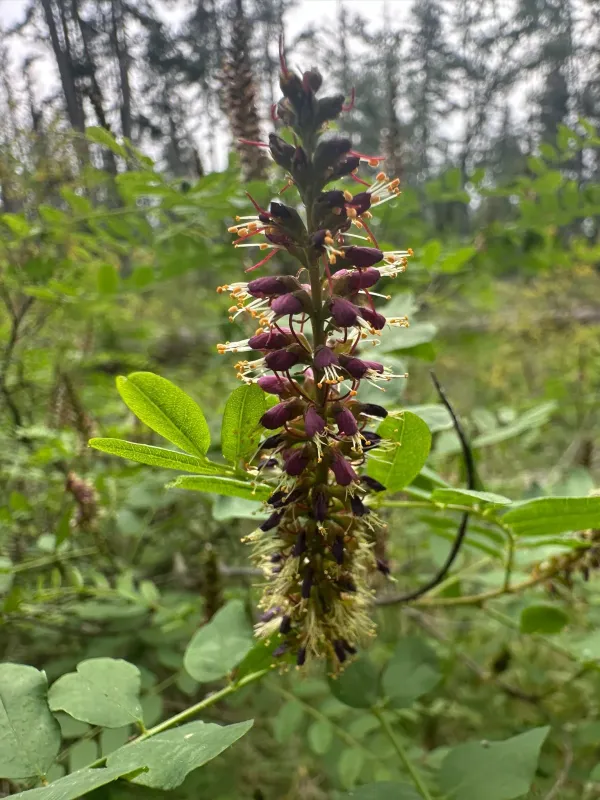
Description
Growing requirements
Amorpha californica, commonly known as California false indigo, is a deciduous shrub belonging to the Fabaceae (legume) family. It is native to the diverse landscapes of California, where it has evolved to thrive in semi-arid environments.
The plant requires well-drained soil and thrives in various textures, including gravelly or sandy substrates. It shows exceptional resilience in environments where other shrubs might perish due to poor soil nutrient content.
Full sun exposure is vital for the health and development of this shrub. Adequate lighting ensures dense foliage and the production of its characteristic spikes of flowers, which are highly attractive to local pollinators.
Amorpha californica is highly drought-tolerant once established. While it appreciates moderate watering during its initial growth phase, mature plants are well-adapted to the dry, Mediterranean-style summers.
Maintenance involves routine pruning in late winter or early spring. This practice promotes vigorous growth and helps maintain an attractive shape, preventing the shrub from becoming overgrown or woody.
Yield
In agricultural settings, Amorpha californica acts as a valuable honey plant. Its nectar production makes it a favored species among beekeepers who look to support healthy bee populations during the warmer months.
Like many legumes, it improves soil quality through biological nitrogen fixation. This process enriches the soil, benefiting adjacent agricultural crops and contributing to overall ecosystem health in diversified farms.
The shrub is frequently utilized in soil stabilization projects, particularly on slopes and in reforestation efforts. Its deep and expansive root network helps minimize soil erosion in sensitive regions.
The plant serves as an excellent candidate for ecological landscaping, offering both aesthetic appeal and environmental benefits. It provides cover and food for various local wildlife species, enhancing biodiversity.
Economic yields are largely indirect, derived from the environmental benefits it provides to the land, such as soil reclamation and the support of honey-producing insects in surrounding apiaries.
Main diseases and pests
Amorpha californica is remarkably hardy and resistant to most common plant diseases. Its robust nature significantly reduces the need for integrated pest management interventions.
Root rot is the primary threat to the plant's viability, usually occurring only in conditions of poor drainage or constant soil saturation. Proper site selection remains the best defense.
Fungal leaf spots may occasionally occur during unusually humid or wet seasons. Improving air circulation around the shrub by thinning out dense branches can effectively prevent such issues.
Pest pressure is minimal, as the chemical composition of its tissues deters most typical herbivores. It is rarely bothered by aphids or other common sap-sucking insects that plague other legumes.
Adhering to standard agricultural best practices, such as ensuring sufficient spacing between plantings, will ensure that the shrub remains healthy and productive for many years.