
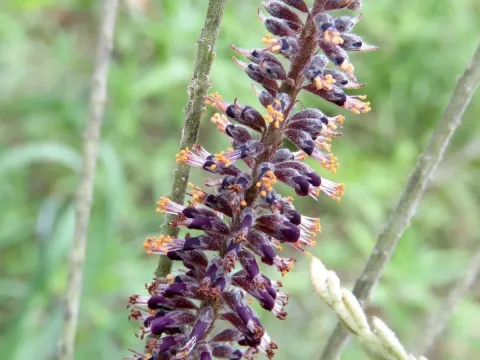
Amorpha paniculata
Amorpha paniculata
Seeds of Amorpha paniculata should be sown in early spring once soil temperatures reach 10-12 degrees Celsius. Cold stratification of the seeds for at least one to two months is highly recommended to break dormancy and ensure uniform germination.
What the section contains
Amorpha paniculata
When sowing in open fields, place seeds at a depth of 2 to 3 centimeters. It is crucial to maintain consistent soil moisture during the germination phase to prevent the surface layer from drying out, which can harm emerging seedlings.
For more reliable results, many growers opt for greenhouse propagation in trays during March. This allows the plants to develop strong root systems before they are transplanted into their permanent outdoor locations in late May.
Spacing for mature shrubs varies based on the intended use, typically ranging from 1.5 to 2.5 meters apart. Proper spacing allows for adequate airflow and sunlight penetration, which are vital for the plant's health and flowering intensity.
Vegetative propagation via greenwood cuttings is also a viable option in early summer. Cuttings should be placed in a rooting medium under a mist system or plastic cover to maintain high humidity until roots are fully developed.
As a member of the Fabaceae family, Amorpha paniculata is exceptionally drought-tolerant, making it well-suited for arid and semi-arid climates. It thrives in full sun, where it produces the most abundant blooms and maintains its foliage quality.
The plant is not overly demanding regarding soil composition, performing well in sandy, loamy, or even alkaline soils. Its ability to fix nitrogen through symbiotic bacteria makes it an excellent choice for improving soil quality in nutrient-poor areas.
Young plants require consistent watering for the first two growing seasons. Once established, the root system becomes deep and resilient, allowing the plant to thrive without supplemental irrigation, even during extended dry spells.
While generally winter-hardy, younger plants benefit from protection against harsh winds during their first winter. Mulching the base of the shrub helps regulate soil temperature and moisture retention during the dormant season.
Routine pruning is essential for maintaining the vigor of the shrub. Removing dead or overlapping branches in early spring encourages new growth and keeps the plant from becoming excessively woody or sparse at the base.
The primary agricultural value of Amorpha paniculata lies in its role as a high-quality honey plant. It blooms during mid-summer, providing a critical nectar source for bees when other early-season forage sources are exhausted.
Honey production from this species can reach 50 to 100 kilograms per hectare under optimal conditions. Beekeepers often prize this plant for its reliable yield and the high protein content of the pollen collected by honeybees.
The seeds and leaves are known to contain bioactive compounds such as amorphin, which are of growing interest to the pharmaceutical industry. These substances show potential for the development of natural, health-promoting products.
Beyond honey production, the plant is highly effective at stabilizing soil on steep slopes and embankments. Its dense root system and suckering habit help prevent erosion and protect delicate land from water and wind damage.
Amorpha wood is notably durable and resistant to decay, although it is primarily used for small-scale garden projects or rustic crafts. Its ability to grow quickly makes it a sustainable resource for minor construction needs.
Amorpha paniculata is remarkably resistant to most common pests and diseases that affect garden shrubs. This natural resilience makes it an ideal candidate for low-input agricultural systems and sustainable landscape management.
Poor drainage is the most significant threat to the plant, as waterlogged soil can lead to root rot. To mitigate this risk, always ensure that the planting site has adequate drainage and avoid areas prone to spring flooding.
Occasionally, if plants are crowded or airflow is obstructed, fungal spots may appear on the foliage. Proper maintenance and thinning out the canopy typically resolve these issues without the need for chemical intervention.
Weed competition can hinder the growth of young shrubs significantly. Regular cultivation of the soil around the base and mulching will help eliminate invasive grasses that would otherwise steal water and nutrients.
Insect pests are rarely a cause for concern for healthy, established plants. In cases of minor aphid infestations, biological control methods or simply rinsing the leaves with a stream of water is usually sufficient to control the population.