
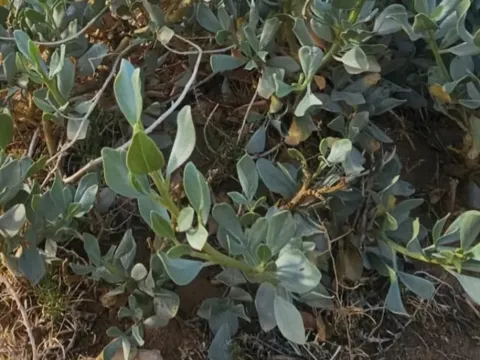
Ammopiptanthus
Ammopiptanthus S. H. Cheng
The propagation of Ammopiptanthus is primarily achieved through seeds, which require scarification to break their hard seed coat and improve germination rates.
What the section contains
Ammopiptanthus
Spring is the ideal time for sowing, provided that the growing medium is well-drained and mirrors the natural, sandy, or gravelly soils of the species.
Nursery cultivation is strongly recommended, as young seedlings are particularly vulnerable to environmental stress and requires protection during the first season.
The substrate must be light, offering excellent aeration to prevent moisture from accumulating around the seeds, which can lead to premature decay.
Patience is required during the initial growth phase, as this shrub is naturally slow-growing, focusing its early energy on establishing a deep taproot.
Ammopiptanthus is a distinctive evergreen shrub belonging to the Fabaceae family, native to the arid regions of Central Asia.
It is remarkably well-adapted to extreme environments, surviving both scorching desert summers and freezing winters through specialized physiological mechanisms.
The plant thrives in nutrient-poor, rocky, or sandy substrates, often acting as a pioneer species in landscapes where soil stabilization is necessary.
Full sun exposure is mandatory for its development, as the plant cannot tolerate shade, which leads to weak growth and higher susceptibility to rot.
Its botanical features include leathery leaves designed for water retention and a robust, deep root system that anchors the plant against desert winds.
This shrub is characterized by its high resilience, making it significantly less prone to agricultural pests and diseases compared to other crops.
The primary concern for Ammopiptanthus under human cultivation is the risk of root rot, which is almost always triggered by overwatering or poor drainage.
In stagnant water conditions, the plant's delicate root system quickly falls prey to soil-borne fungi, leading to the collapse of the entire shrub.
While minor infestations of aphids or mites might occur in protected nursery environments, they rarely pose a fatal threat to established plants in the field.
Proper spacing and careful management of irrigation cycles are the best preventative measures to maintain the health and longevity of the crop.