
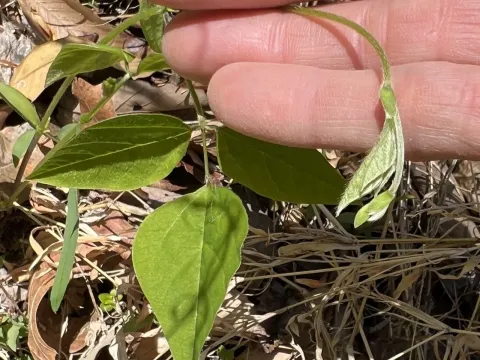
Amphicarpaea
Amphicarpaea
Amphicarpaea bracteata, commonly known as the hog peanut, is an annual herbaceous plant belonging to the Fabaceae family. Under natural conditions, seeds germinate in the spring as soon as the soil warms up sufficiently, typically aligning with the temperature regimes of temperate zones.
What the section contains


Amphicarpaea
For cultivation, seeds are sown in well-tilled, moist soil. The planting depth is usually 2–3 centimeters, ensuring optimal contact with soil moisture for successful germination of the embryo.
When cultivating for breeding or seed production, spatial isolation is important. Sowing in rows with spacing of 30–45 centimeters is recommended to provide plants with adequate space for nutrient uptake and development.
The optimal temperature range for the development of the culture is between +18 and +24 degrees Celsius. The plant is sensitive to spring frosts, so sowing times should be shifted to periods when stable, warm weather is established.
Seedlings typically emerge within 10–14 days after planting, provided there is regular irrigation or sufficient atmospheric precipitation during the initial growth stage.
Amphicarpaea prefers fertile, loamy, or sandy soils with a neutral or slightly acidic pH. It is highly moisture-demanding, thriving most intensively in areas with high water tables or consistent irrigation systems.
The culture is shade-tolerant, making it suitable for agroforestry systems or under the canopy of taller crops. However, maximum productivity is achieved under moderate levels of sunlight.
Agronomic requirements include systematic weed control, especially during the early growth phase, as Amphicarpaea has delicate primary stems and is vulnerable to competition from more aggressive weeds.
The plant responds positively to the application of potassium-phosphorus fertilizers, which stimulate root system development and the formation of underground fruits, which store significant energy reserves.
A crucial biological feature is the presence of nitrogen-fixing bacteria on the roots, which allows the plant to partially satisfy its nitrogen requirements through symbiotic atmospheric fixation.
The agricultural value of Amphicarpaea lies in its unique ability to produce two types of fruits: aerial (standard) pods and underground (cleistogamous) pods produced by self-pollinating flowers near or under the soil surface.
Aerial pods contain standard seeds for propagation, whereas underground pods are large, fleshy seeds rich in starch and protein, which are edible and highly nutritious for both livestock and potentially humans.
Yield varies significantly depending on growing conditions. Under favorable moisture regimes, total biomass can be substantial, making it a valuable forage resource for livestock.
Underground seeds can reach the size of peas and are comparable in nutritional density to other common legumes, rendering the plant a promising candidate for specialized fodder use.
Harvesting underground fruits is challenging, so agricultural practices generally focus on utilizing the aerial biomass as a high-protein green fodder.
The main threats to Amphicarpaea include fungal diseases such as powdery mildew and various types of rust, which thrive in high humidity and crowded planting conditions.
Pests common to most legumes also pose risks to Amphicarpaea. The most dangerous are clover root curculios, which damage the root system and inhibit the activity of nitrogen-fixing nodules.
Leaf-eating insects, such as aphids and spider mites, can significantly reduce the photosynthetic surface of the leaves, especially during dry summer periods.
To protect crops, it is recommended to implement an integrated pest management system, including crop rotation and the use of biological control agents to keep pest populations in check.
Disease prevention relies on following standard agrotechnical norms, ensuring good aeration within the fields, and promptly removing plant debris after the end of the growing season.
Harvesting the aerial biomass is conducted during the stage of mass flowering or the beginning of pod formation, when protein content in the green matter is at its peak.
If the goal is seed collection, aerial pods should be gathered manually or mechanically once they begin to brown, preventing cracking and seed loss on the ground.
Retrieving underground fruits requires manual labor or specialized equipment similar to root-harvesting machinery, which is rarely utilized in large-scale commercial farming.
After harvesting, the plant biomass must be dried quickly to prevent decay and preserve its nutritional qualities if used for hay or silage preparation.
Seed storage requires low humidity (no more than 12%) and a cool, dry environment to ensure high germination rates for the following season.