
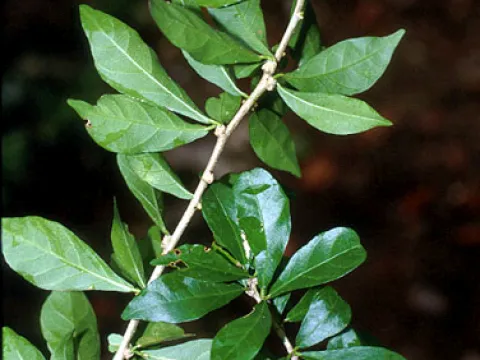
Adelia
Adelia
The genus Adelia belongs to the Euphorbiaceae family. It comprises a group of tropical shrubs and small trees known for their resilience in specific ecological niches across the American tropics.
What the section contains

Adelia
The native range of these plants spans from Mexico and the Caribbean islands to Central and South America. They are typically found in dry forest environments, exhibiting adaptations to survive seasonal water scarcity.
Climatic requirements for Adelia include full sun exposure and warm temperatures throughout the growing season. While they are drought-tolerant once established, they thrive best in regions with defined wet and dry cycles.
Soil conditions play a critical role in the development of the root system. Ideal substrates are sandy or loamy soils with excellent drainage, preventing waterlogging, which the plant cannot tolerate under any circumstances.
Cultivation practices focus on minimal intervention. In managed landscapes, pruning is often necessary to maintain the desired shape and size of the shrubs, as well as to encourage healthy branch density in younger plants.
Common pests affecting Adelia include spider mites and scale insects, which often colonize the underside of the leaves. These pests can weaken the plant by extracting sap and producing honeydew that fosters sooty mold.
Fungal pathogens represent the primary disease risk. Leaf spot diseases caused by Cercospora species can occur if humidity levels remain too high, particularly in environments with poor airflow.
Root rot, driven by Pythium or Phytophthora, is a severe threat usually associated with over-irrigation. Proper soil management is essential to prevent these organisms from compromising the plant's vascular system.
Stem borers may occasionally attack damaged or stressed wood. Protecting the bark from mechanical injury is a key preventative measure to ensure the longevity of these woody plants in horticultural settings.
Effective management strategies should integrate biological controls and cautious use of pesticides to maintain the ecological balance. Regular scouting is recommended to detect early signs of infestation and prevent widespread damage.